
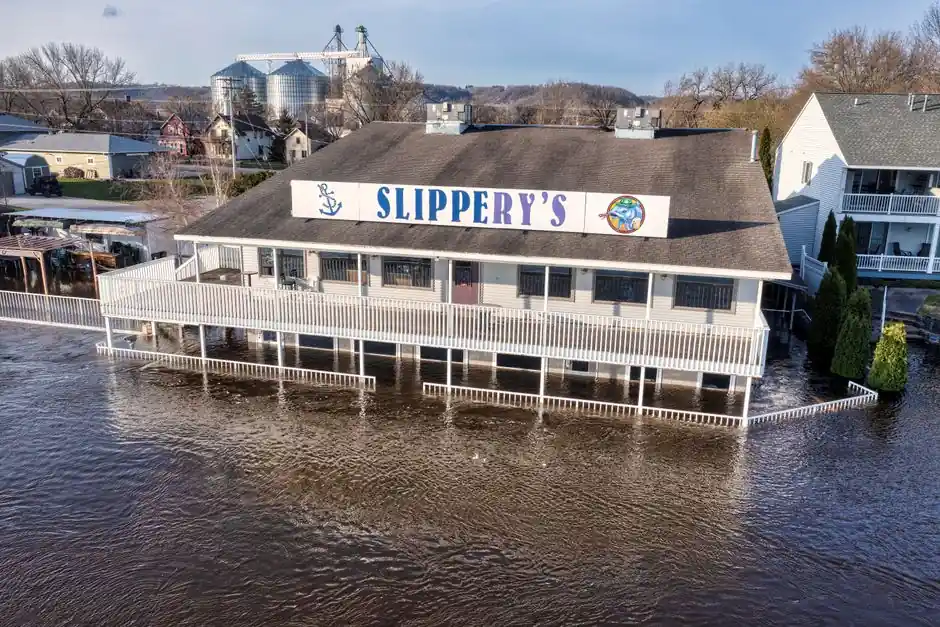
Water extraction removes standing water from your floors, carpets, and crawl spaces using pumps and wet vacuums. Structural drying removes the moisture that extraction leaves behind inside drywall, wood framing, and subflooring using air movers and dehumidifiers. You need both - extraction handles the visible water, drying handles the hidden moisture that causes mold and warped floors.
Most homeowners in Idaho call us after a burst pipe, a failed water heater, or a spring snowmelt flood. They see a wet floor and assume a few towels and a fan will fix it. Two days later, the baseboards are swelling and the house smells like a wet basement. The gap between what you can see and what is actually wet is where the real damage happens. This article breaks down the water damage restoration process step by step, explains when each stage matters, and shows you what to expect for timing and cost in 2026.
Water extraction vs structural drying: the short answer
Water extraction vs structural drying is a comparison of two distinct phases in the water damage restoration process: extraction is the physical removal of standing water, while structural drying is the controlled evaporation of moisture from building materials. Extraction takes hours. Drying takes days. Skipping either one leads to mold, rot, and a repair bill that can run three to five times higher than the original cleanup.
Think of it like mopping a spilled bucket versus drying the floor underneath. You can mop up every drop you see, but if the subfloor is still damp, the wood will cup and the grout will crack. Extraction is the mop. Drying is the fan and dehumidifier that finish the job.
What is water extraction?
Water extraction is the first step in the water damage restoration process and involves using truck-mounted pumps, portable extractors, and weighted wet vacuums to pull standing water out of your home. A technician typically removes 90 to 95 percent of the visible water within the first two to four hours on site.
Here is what that looks like in practice:
- Truck-mounted pump: pulls hundreds of gallons per minute from flooded basements and crawl spaces.
- Portable extractor: reaches tight spaces like closets, under cabinets, and behind appliances.
- Weighted wet vacuum: presses down on carpet and pad to pull water from the fibers and backing.
- Subfloor injection: forces water out of hardwood planks and concrete slabs when the water has seeped underneath.
We see this most often in older Boise homes with original hardwood floors. A supply line fails behind the fridge, and by the time you notice, water has wicked under the planks. Extraction gets the surface water. But the wood cells are still saturated. That is where drying takes over.
If you are dealing with a flooded basement or a backed-up drain, professional Water Extraction in Idaho is the fastest way to stop the water from spreading to unaffected rooms.
What is structural drying?
Structural drying is the controlled process of removing moisture from building materials - drywall, wood framing, subflooring, insulation, and concrete - using air movers, dehumidifiers, and sometimes heat. It starts immediately after extraction and typically runs for three to five days.
Drying is not just pointing a fan at a wet wall. It is a science. Technicians place air movers to create a vortex of air across wet surfaces, which speeds evaporation. Dehumidifiers then pull that moisture out of the air so it does not re-condense on other surfaces. We monitor moisture content with penetrating and non-penetrating meters, and we adjust equipment placement daily based on readings.
Key equipment used in structural drying:
- Air movers: high-velocity fans that increase evaporation from wet materials.
- Refrigerant dehumidifiers: pull moisture from the air by condensing it on cold coils.
- Desiccant dehumidifiers: use silica gel or similar materials to dry air in cooler conditions - common in Idaho crawl spaces.
- Moisture meters: measure water content in wood and drywall to track progress.
- Thermal imaging cameras: find hidden moisture behind walls without cutting them open.
We use thermal imaging on every job because water travels. A leak in the upstairs bathroom can show up as a wet ceiling in the kitchen below. Without imaging, you are guessing. With it, you know exactly where to place equipment.
For a deeper look at how we handle the drying phase, see our Structural Drying in Idaho page.
The difference between water extraction and structural drying
The difference between water extraction and structural drying comes down to what is being removed: extraction removes liquid water, while drying removes water vapor and bound moisture from materials. Extraction is mechanical and fast. Drying is environmental and slow. You cannot substitute one for the other.
Here is a side-by-side comparison:
- Goal: Extraction removes standing water. Drying removes moisture from materials and air.
- Equipment: Extraction uses pumps and wet vacuums. Drying uses air movers and dehumidifiers.
- Timeline: Extraction takes 2-4 hours. Drying takes 3-5 days.
- Skill: Extraction is physical labor. Drying requires moisture science and daily monitoring.
- Result if skipped: Skipping extraction leaves standing water that ruins floors. Skipping drying leaves hidden moisture that grows mold in 24-48 hours.
Many homeowners think the job is done once the water is gone. That is like thinking a car is fixed because you washed it. The water you see is only part of the problem. The moisture you cannot see is what causes the most expensive damage.
Do I need both water extraction and structural drying in Idaho?
Yes, you need both water extraction and structural drying in Idaho for any water intrusion that has soaked into building materials. The only exception is a small spill on a non-porous surface - like a glass of water on tile - that you can wipe up completely within a few minutes.
Idaho's climate makes drying especially important. Our winters are cold and our summers are dry, but indoor humidity can spike fast when water gets into walls. In older homes across Water Damage in Boise, we often find original plaster walls that hold moisture longer than modern drywall. Plaster can take five to seven days to dry completely. If you skip the drying phase, that moisture stays trapped and creates the perfect environment for mold.
We also see crawl space issues in the Treasure Valley. Water from a heavy rain or snowmelt seeps into the crawl space and sits there. Extraction gets the standing water. Drying removes the moisture from the joists and insulation. Without drying, the wood framing stays damp and starts to rot within weeks.
If your crawl space floods, professional Crawl Space Water Removal in Idaho includes both extraction and drying as part of the service.
How long does structural drying take after water extraction in Idaho?
Structural drying after water extraction in Idaho typically takes three to five days for standard drywall and wood framing. That timeline can stretch to seven days for dense materials like plaster, concrete, or hardwood, or if the water sat for more than 48 hours before extraction began.
Several factors affect drying time:
- Material type: Drywall dries in 2-3 days. Hardwood floors take 4-7 days. Concrete slabs can take 7-10 days.
- Water category: Clean water from a supply line dries faster than gray water from a washing machine or black water from a sewage backup.
- How long water sat: The longer water sits, the deeper it penetrates. Water that sat for 24 hours may need an extra day of drying.
- Indoor conditions: We control temperature and humidity with equipment, but if the outdoor humidity is high, drying takes longer.
- Airflow: Rooms with poor airflow - like closets or crawl spaces - need more equipment and more time.
We check moisture readings daily and do not remove equipment until materials are within 10 percent of their normal moisture content. That is the standard set by the IICRC, the certifying body for water damage restoration. If a technician tells you the job is done after two days without showing you meter readings, get a second opinion.
For a full breakdown of the restoration process from start to finish, visit our Water Damage Restoration in Idaho page.
Common mistakes homeowners make after a water leak
The most common mistake is assuming that a wet floor means only the floor is wet. Water travels. It wicks up drywall, seeps under baseboards, and pools in ceiling cavities. Here are the mistakes we see most often:
- Using a shop vac and calling it done. A shop vac removes surface water but does nothing for moisture inside walls. You need air movers and dehumidifiers to finish the job.
- Running a household fan. A box fan moves air but does not remove moisture from the air. Without a dehumidifier, that moisture just settles back into the walls.
- Waiting for the insurance adjuster before starting cleanup. Mold starts growing in 24-48 hours. Most policies require you to mitigate damage immediately, even before the adjuster arrives. Document everything with photos, then start extraction.
- Turning up the heat. Heat can help drying, but too much heat without dehumidification can cause warping and cracking in wood floors.
- Ignoring the crawl space. Water in the crawl space does not always show up in the living area. If you had a flood, check the crawl space even if the floor above looks dry.
We have seen homeowners try to dry out a flooded basement with a single box fan and a window. Three weeks later, they are calling us for mold remediation. The cost of professional drying is almost always less than the cost of mold removal and structural repairs.
When to call a professional
Call a professional when water has soaked into carpet, drywall, or wood for more than a few minutes, when the water is from a sewage backup or flood, or when you cannot tell how far the moisture has spread. If you are not sure, call anyway. A moisture meter reading takes five minutes and can save you thousands.
At Water Damage Pros Idaho, we handle the entire water damage restoration process - extraction, drying, and repairs. We serve homeowners across Idaho, from Boise and Meridian to Coeur d'Alene and Idaho Falls. If you are dealing with a flooded basement, a burst pipe, or a sewage backup, we can be on site the same day to start extraction and set up drying equipment.
We also handle Sewage Backup Cleanup in Idaho when the water is contaminated. That requires special handling, including antimicrobial treatment and safe disposal of affected materials.
Frequently Asked Questions
What is the difference between water extraction and structural drying?
Water extraction removes standing water with pumps and wet vacuums. Structural drying removes moisture from building materials and air with air movers and dehumidifiers. Extraction takes hours; drying takes 3-5 days. You need both to prevent mold and structural damage.
Do I need both water extraction and structural drying in Idaho?
Yes, for any water intrusion that soaks into materials. Extraction alone leaves hidden moisture that causes mold within 24-48 hours. Idaho's cold winters and spring snowmelt make drying especially important for crawl spaces and basements.
How long does structural drying take after water extraction in Idaho?
Typically 3-5 days for drywall and wood framing. Plaster, hardwood, or concrete can take 7-10 days. Drying time depends on material type, water category, and how long the water sat before extraction.
Which is better, water extraction or structural drying in Idaho?
Neither is better - they serve different purposes. Extraction is the first step to remove standing water. Drying is the second step to remove hidden moisture. Skipping either one leads to mold, rot, and higher repair costs.
Who provides water extraction and structural drying in Idaho?
Water Damage Pros Idaho provides both services across the state, including Boise, Meridian, Nampa, Coeur d'Alene, and Idaho Falls. We handle extraction, drying, and repairs with IICRC-certified technicians.
Get help with Water Damage in Idaho
If your home or business has water damage, do not wait. Mold starts growing in 24-48 hours, and every hour you wait increases the damage. Call Water Damage Pros Idaho at (855) 343-0501 for same-day water extraction and structural drying.
We serve homeowners across Idaho with upfront pricing and no hidden fees. One call, and we handle the rest - from extraction to drying to repairs.