
Water Damage Pros Idaho logo Water Damage Pros Idaho
Get Estimate

Water Extraction in Idaho done right the first time

24/7 crews, truck-mounted units, and drying that holds up


Water Extraction in Idaho starts the moment we pull up. Water Damage Pros Idaho sends IICRC-certified technicians with truck-mounted extraction units and thermal imaging cameras to find every wet pocket, pull the standing water, and start structural drying the same day. Whether it's a burst pipe in Coeur D Alene or a flooded crawl space in Rigby, we handle water removal in Idaho from the first wet-vac pass to the final moisture reading.

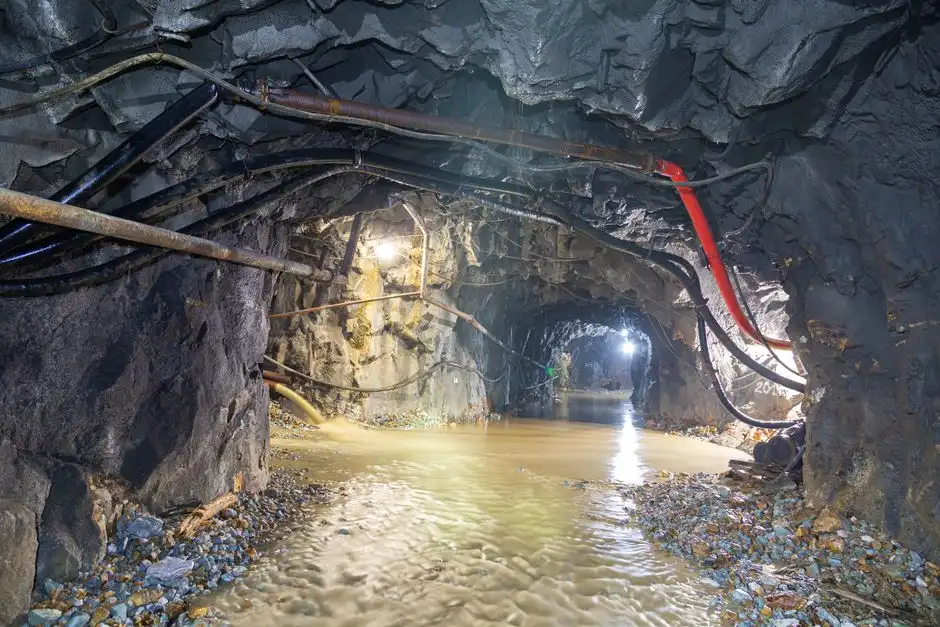
Dimly lit underground cave with flowing water and exposed pipes, showcasing rugged geology.
Licensed Licensed & Bonded
Fully Insured Insured & Bonded
24/7 Emergency Same-Day Response
Warranty Backed Workmanship Guaranteed

What Is Included in Water Extraction

Every water extraction job includes the core scope below. If your situation needs something beyond this, like mold remediation or reconstruction, we tell you upfront and price it separately so there are no surprises on the invoice.

Emergency Water Removal

Truck-mounted extraction units and wet/dry vacuums pull standing water from floors, carpet, and low areas. We extract until the surface is damp, not wet, which is the point where drying equipment can take over and finish the job.
Moisture Detection and Mapping

We use moisture meters, thermal imaging cameras, and a boroscope to find water behind walls, under flooring, and inside cavities. You get a marked floor plan showing wet zones so you can see exactly where the problem is.

Antimicrobial Treatment

When water is category 2 or category 3, we apply Fiberlock or Benefect antimicrobial solution to affected surfaces. This stops bacteria and mold from taking hold while the structure dries. Standard on sewage backup and flood water jobs.

Structural Drying Setup

Air movers, desiccant dehumidifiers, and HEPA air scrubbers get placed based on the moisture map. We size the equipment to the cubic footage of the affected area, not a one-size-fits-all package. Equipment runs continuously until dry standard is reached.

Daily Monitoring and Documentation

A technician returns each day to log hygrometer readings, check equipment, and adjust placement. You get a written drying report at the end with photos and final moisture readings, formatted for insurance.

Insurance Claim Support

We prepare an Xactimate estimate, photograph the loss, and communicate with your adjuster. Most major carriers get billed direct. You are not writing checks and chasing reimbursement while your house is wet.

What Water Extraction in Idaho Really Involves


Water Extraction in Idaho is the mechanical removal of standing water and saturated moisture from floors, walls, and cavities using truck-mounted extraction units, wet/dry vacuums, and weighted extraction heads. It is not the same as mopping up or running a shop fan. We use moisture meters and thermal imaging cameras to map the water you cannot see, then pull it out before it wicks into drywall, baseboard, and thermal insulation. Every job follows the IICRC WRT standard, and we document moisture readings before, during, and after.

Idaho properties run into water problems year-round. Frozen pipe bursts hit hard in January, spring snowmelt pushes water into basements, and summer storm damage sends roof leak water down through ceilings. We see slab leaks in Boise bench homes, sump pump failure in Nampa, and sewage backup in older Post Falls neighborhoods. If you search for water extraction near me Idaho at 2 a.m., our dispatch answers and a crew rolls. We handle professional water extraction services in Idaho for homeowners, landlords, and property managers.

Our Water Extraction Process, Step by Step

No mystery, no waiting around. Here is exactly what happens from the moment you call until the last air mover gets pulled.

01

Schedule

Call or book online — a real human picks up and confirms a 2-hour arrival window.

02

Diagnose

Licensed tech inspects on-site, then walks you through the cause and your options.

03

Fix

The job is completed to code and done right the first time — no shortcuts, no surprises.

04

Guarantee

Every job backed by a written workmanship warranty — and we stand behind it.

Equipment and Methods We Use

Tools & Equipment

Truck-Mounted Water Extraction Unit

Pulls hundreds of gallons per hour from flooded areas. Far more powerful than a portable wet/dry vacuum, which means faster water removal and less chance for moisture to wick into walls.

Thermal Imaging Camera

Reveals temperature differences that indicate hidden moisture behind walls, under floors, and in ceilings. We use it to map the full extent of the water before we start extracting.

Moisture Meter and Hygrometer

Measures moisture content in materials and relative humidity in the air. These readings tell us when the structure is dry and when equipment can be pulled.

Boroscope

A camera on a flexible probe that lets us see inside wall cavities and under floors without tearing them open. We use it to confirm whether hidden cavities are wet.

Desiccant Dehumidifier

Pulls moisture from the air in cool or low-humidity conditions where refrigerant units are less effective. Common on Idaho jobs in winter and in crawl spaces.

Air Mover

High-velocity fans that move air across wet surfaces to speed evaporation. Placed along walls and in corners based on the moisture map, not randomly.

HEPA Air Scrubber

Filters airborne particles and contaminants during extraction and drying. Standard on sewage backup and mold-related jobs to protect indoor air quality.

Methods & Standards

IICRC S500 Standard

The industry standard for water damage restoration that defines water categories, drying goals, and documentation requirements. We follow it on every job, which is also what insurance adjusters reference when they review a claim.

IICRC WRT and ASD Protocols

Our technicians are certified in Water Restoration Technology and Applied Structural Drying. These certifications cover the science of how water moves through building materials and how to dry them without causing secondary damage.

Xactimate Estimating

The estimating platform most insurance carriers use. We build the scope in Xactimate so your adjuster can review it line by line without translation. That speeds up approval and reduces back-and-forth.

Antimicrobial Application

We apply Fiberlock or Benefect antimicrobial solution to affected surfaces after extraction. This stops bacteria and mold from colonizing while the structure dries, which is critical on category 2 and category 3 water.

When to Call for Water Extraction

01

A water heater let go in the garage and water is running toward the house.

What we do: We shut off the supply, extract the standing water from the garage slab, and check the adjacent wall and door threshold for wicking. If water reached interior flooring, we extract and dry that too. Most garage-only jobs are done in a few hours.

→ Water stopped, slab dried, and no damage spread into the living space. You avoid a much bigger repair bill.

02

A washing machine supply line burst while you were at work and the laundry room is flooded.

What we do: We extract the laundry room and any adjacent hallway or closet, pull the vinyl or tile back if water got under it, and set air movers and a dehumidifier. If the water reached carpet in the next room, we extract the pad and dry the carpet in place when possible.

→ Structure dried in three to four days, carpet saved, and the loss documented for insurance.

03

A storm pushed water through a basement window well and the floor is under two inches.

What we do: We pump and extract the water, remove any ruined carpet and pad, treat the concrete and framing with antimicrobial, and set drying equipment. We also check the window well drainage and can recommend a fix to prevent the next event.

→ Basement dried, no mold growth, and a clear report showing the structure hit dry standard.

04

A toilet supply line cracked overnight and water soaked through the floor into the ceiling below.

What we do: We extract from both levels, open the ceiling if needed to access saturated framing, and dry the cavity with directed air. Moisture readings confirm when the framing is dry enough to close back up.

→ Both floors dried, ceiling repaired, and no lingering moisture to cause mold or paint failure.

How Water Extraction Runs in Idaho

Idaho water damage has its own rhythm. Winter brings frozen pipe bursts from unheated crawl spaces and garages, especially in older homes in Coeur D Alene and Hayden. Spring snowmelt overwhelms sump pumps and foundation drains, and we see a spike in basement flooding across the Treasure Valley. Summer thunderstorms drive roof leaks and window well overflow. Fall is when appliance failures and slab leaks show up, often after a summer of high water pressure. Building stock matters too. Many Idaho homes have crawl spaces rather than slabs, which means water pools under the floor where you cannot see it. We use boroscopes and thermal imaging to check those cavities. Older homes may have lead paint, which is why we carry EPA Lead-Safe certification. On the regulatory side, we pull Idaho Contractor License verification on any reconstruction work and follow state code on vapor barrier and mold-resistant drywall installation. If you need affordable water extraction in Idaho without cutting corners, we scope the job honestly and document everything.

Neighborhoods We Serve

  • North End, Boise

    Older homes with mature trees and original plumbing. Tree roots crack sewer lines and old galvanized supply pipes fail. Crawl spaces here are common and often wet after heavy rain.

  • Downtown Coeur D Alene

    Lake-adjacent properties deal with high water tables and foundation seepage. Basements flood more easily, and we see sump pump failures during spring runoff.

  • Ammon and Rigby corridor

    Newer construction on the east side, but we still see supply line failures and appliance leaks. These homes often have PEX plumbing that can fail at fittings behind walls.

  • Hayden Lake area

    Properties near the lake deal with storm-driven water and roof leaks. Ice dams in winter push water under shingles and into attic insulation.

Local Conditions We Plan For

  • Frozen pipes in unheated crawl spaces and garages

    When a pipe freezes and bursts, water can run for hours before anyone notices. We extract fast and check the entire run of pipe for additional weak points. We also advise on insulation and heat tape to prevent a repeat.

  • Spring snowmelt overwhelming foundation drains

    Water enters basements and crawl spaces through foundation cracks and window wells. We pump and extract, then dry the space with desiccant dehumidifiers sized for the volume. We also check the drainage and can recommend fixes.

  • Low humidity in winter affecting drying times

    Idaho winters are dry, which actually helps drying in heated spaces but slows it in unheated areas like crawl spaces and garages. We use desiccant dehumidifiers in those conditions because refrigerant units lose efficiency in the cold.

  • Summer storm-driven roof leaks

    Fast-moving thunderstorms can push water through compromised flashing and shingles. We extract interior water, dry the attic and ceiling, and coordinate emergency tarping if the roof is still open.

Burst Pipe in a Coeur D Alene Basement

Before

A supply line to a basement bathroom burst overnight. The homeowner found two inches of standing water covering 600 square feet of finished basement, including carpet, pad, and the bottom two feet of drywall. Water had been sitting for roughly eight hours.

After

We extracted the standing water in about three hours, removed the ruined carpet and pad, and cut the drywall at the flood line. Antimicrobial went down, and drying equipment ran for four days. Final moisture readings confirmed dry standard, and the homeowner's insurance covered the rebuild.

Maintenance: We recommended a water alarm near the bathroom and an annual inspection of supply lines. The homeowner also added a shutoff valve that closes automatically when it detects a leak.

Before

A rental property's sump pump failed during spring melt. The basement took on about four inches of water, soaking stored belongings, carpet, and the bottom of the furnace cabinet. The tenant called the property manager, who called us.

After

We pumped and extracted the water, removed the carpet and pad, treated the concrete and framing with antimicrobial, and dried the space in four days. The furnace was inspected and cleared. Total job was documented in Xactimate, and the landlord's policy covered it.

Maintenance: We installed a backup sump pump with a battery system and recommended a quarterly test. The landlord now has a maintenance schedule that includes checking the pit before spring.

Before

An ice dam pushed water under the shingles and down through the attic insulation into a second-floor bedroom ceiling. The homeowner noticed a stain and called us before it got worse. Moisture readings showed saturation in the ceiling drywall and attic framing.

After

We extracted water from the ceiling using a small access hole, dried the attic framing with directed air movers, and dried the ceiling drywall in place. Three days of drying brought everything to dry standard. The roofer repaired the ice dam issue the same week.

Maintenance: We recommended adding insulation and ventilation in the attic to prevent future ice dams. The homeowner also scheduled a roof inspection each fall before winter.

Water Problems We Solve Across Idaho

Most water damage calls fall into a handful of categories. Here is what we see most often and how we handle it.

Problem

Burst pipe flooding a room overnight

Water spreads under flooring and into wall cavities within hours, saturating drywall and insulation. Mold can start in 24 to 48 hours, and warped hardwood may need full replacement if extraction is delayed.

Our Fix

We shut off the source if needed, extract standing water with truck-mounted units, and map moisture with thermal imaging. Antimicrobial goes down, drying equipment gets set the same day, and we document everything for your insurance claim.

Problem

Sump pump failure during spring snowmelt

Basements fill fast when a sump pump quits. Carpet, pad, stored belongings, and the bottom of drywall wick water upward. If the water sits more than a day, category 2 contamination becomes a real concern.

Our Fix

We pump and extract the standing water, remove unsalvageable carpet and pad, treat the concrete and framing with antimicrobial, and set desiccant dehumidifiers sized for the space. We also check the sump pit and can recommend a backup system.

Problem

Sewage backup in an older home

Sewage is category 3 water, meaning it carries bacteria and pathogens. Anything it touches is contaminated, and the health risk is real. Standard drying is not enough without proper treatment.

Our Fix

Our crew arrives in PPE, extracts the water, removes contaminated materials, and applies antimicrobial to all affected surfaces. We use HEPA air scrubbers during the work and verify with moisture and contamination checks before rebuilding.

Problem

Roof leak soaking ceilings and walls

Roof leaks from storm damage or ice dams send water down through attic insulation and into ceiling drywall. By the time you see the stain, the insulation and framing above are already saturated.

Our Fix

We trace the leak path with a moisture meter and boroscope, extract water from ceilings and walls, and dry the attic and interior cavities. If the roof is open, we coordinate emergency tarping so water stops coming in while we dry.

Why Idaho Homeowners Call Us First

Why Idaho Homeowners Call Us First

Water damage gets worse by the hour. Mold growth can start in 24 to 48 hours, and warped hardwood and buckled subfloor get expensive fast. Here is what you get when you call us instead of waiting.

  • Same-Day Water Removal

    We dispatch 24/7 and aim to be on-site within 60 to 90 minutes for most Idaho addresses. Truck-mounted extraction units pull hundreds of gallons an hour, so a flooded basement in Meridian that would take you days with a wet/dry vacuum gets drained in a few hours.

  • Moisture Mapping, Not Guessing

    Every job starts with a moisture meter and thermal imaging camera sweep. We mark wet zones on a floor plan, log hygrometer readings, and use a boroscope to check inside wall cavities. That is how we catch the hidden water behind baseboard that turns into mold two weeks later.

  • Insurance Paperwork Handled

    We document the loss with photos, moisture logs, and an Xactimate estimate formatted the way adjusters expect. Most Idaho homeowner policies cover sudden water damage from burst pipes, appliance leaks, and storm damage. We bill direct and walk you through the claim.

  • Drying That Passes Final Check

    Extraction is only half the job. We set Dri-Eaz and Phoenix Restoration Equipment air movers and desiccant dehumidifiers, then monitor daily until materials hit dry standard. You get a written drying report with final readings, which matters if you ever sell the house.

Water Extraction Pricing in Idaho

Water extraction pricing in Idaho depends on how much water there is, what category it is, and what materials got wet. Typical 2026 pricing for a residential job runs $500 to $2,500, with the average around $1,200 to $1,800. Small appliance leaks can come in near $500, while a flooded basement with contaminated water can push past $3,000. We give you a written scope before we start, and on covered losses we bill your insurance direct so you are not fronting the cost.

Typical Investment Range

$500 - $3,000+ depending on scope, water category, and materials affected

The cost of extraction is almost always less than the cost of replacing a floor, a ceiling, and the mold remediation that follows if water sits. Fast extraction and proper drying protect the structure and your investment.

What changes the price

01

Square footage affected

More area means more extraction time, more equipment, and more monitoring days. A single room is a different job than a whole floor. We measure the affected area during the assessment and price accordingly.

02

Water category

Category 1 is clean water from a supply line. Category 2 is gray water from a washing machine or dishwasher. Category 3 is contaminated water from sewage or flooding. Category 3 requires antimicrobial treatment, PPE, and often material removal, which raises the cost.

03

Materials affected

Carpet and pad are easier to dry or replace than hardwood, tile, or engineered flooring. Drywall wicks water and often needs to be cut. The more dense and porous the material, the longer the drying and the higher the cost.

04

How long water sat

Water that has been sitting for days has had time to wick higher into walls and start mold growth. That means more tear-out, more drying time, and potentially mold remediation on top of extraction. Calling fast saves money.

05

Access and containment

Crawl spaces, tight attics, and finished basements with limited access take more labor. If containment with polyethylene sheeting is needed, that adds setup time. We factor this into the scope upfront.

06

Insurance coverage

If the loss is covered, your out-of-pocket cost is your deductible. We bill the carrier direct and handle the documentation. If it is not covered, we give you a clear cash price before we start.

Licensed, Certified, and Documented

Licensed & Certified

  • IICRC WRT (Water Restoration Technician) — issued by Institute of Inspection, Cleaning and Restoration Certification
  • IICRC ASD (Applied Structural Drying) — issued by Institute of Inspection, Cleaning and Restoration Certification
  • IICRC AMRT (Applied Microbial Remediation Technician) — issued by Institute of Inspection, Cleaning and Restoration Certification
  • EPA Lead-Safe Certified Firm — issued by U.S. Environmental Protection Agency
  • Idaho Contractor License — issued by Idaho Division of Occupational and Professional Licenses

Verified Reviews

Google ★★★★★4.9

Called at 1 a.m. after a pipe burst. They answered, gave me an ETA, and showed up when they said. Extracted the water, set equipment, and had us dry in four days. The insurance paperwork was handled without me chasing anyone. Highly recommend.

Google ★★★★★5.0

We had a sewage backup in our basement and they treated it like the health hazard it is. PPE, antimicrobial, HEPA scrubbers, the whole protocol. They explained every step and kept us out of the contaminated area. Professional from start to finish.

BBB ★★★★★4.8

Sump pump failed during spring melt and our basement was under water. They pumped it out, dried it, and even recommended a backup system so it does not happen again. Price was fair and the work was documented for our records.

Yelp ★★★★★4.9

Roof leak from an ice dam soaked our ceiling. They found the wet spots with a thermal camera, dried everything, and worked with our roofer to get the source fixed. No mold, no lingering smell. Good crew.

Cities We Serve for Water Extraction

Water Damage Pros Idaho delivers water extraction services Idaho homeowners and businesses can count on, from the northern Panhandle down through the Treasure Valley and across to the eastern communities. We stage equipment and crews across the state so response times stay tight no matter where you are. Here are some of the communities we serve regularly.

Coeur D Alene

Lake-adjacent homes and older downtown properties deal with foundation seepage and frozen pipe bursts. We extract fast and dry crawl spaces and basements with desiccant equipment sized for the space.

Hayden

Ice dams and storm-driven roof leaks are common here. We extract interior water, dry attic framing and ceiling drywall, and coordinate with roofers to stop the source.

Rigby

Spring snowmelt and sump pump failures hit basements hard in this area. We pump, extract, treat with antimicrobial, and dry the space with equipment sized for the volume.

Spirit Lake

Rural properties and seasonal homes here often have crawl spaces and well systems. We handle crawl space water removal, supply line failures, and storm-driven water intrusion.

Menan

Farm country water problems often involve appliance leaks, frozen pipes in outbuildings, and foundation seepage. We extract and dry residential structures quickly and document for insurance.

Grand View

Remote location means response time matters. We stage crews to reach Grand View and surrounding areas with truck-mounted extraction and full drying equipment.

Donnelly

Cabin country sees frozen pipe bursts and snowmelt intrusion. We extract, dry, and winterize recommendations to prevent the next event. Remote access is no problem for our crews.

Cataldo

Small community along the Coeur d'Alene River with older homes and rural water systems. We handle burst pipes, well line failures, and crawl space flooding with the same equipment we use statewide.

Hill City

Remote high-desert location where frozen pipes and storm damage are the main calls. We bring truck-mounted extraction and drying equipment to reach even out-of-the-way properties.

Water Extraction Questions Idaho Homeowners Ask

Real answers to the questions we hear most often from local homeowners and property managers.

How much does water extraction cost in Idaho?
Most residential water extraction jobs in Idaho run $500 to $2,500 for extraction and drying, with the average around $1,200 to $1,800. A small appliance leak might land near $500, while a flooded basement with contaminated water can push past $3,000. Square footage, water category, and how long the water sat are the biggest cost drivers. We give you a written scope before we start, and if it is a covered loss, we bill your insurance direct.
How long does water extraction take in Idaho?
The extraction itself usually takes two to four hours for a typical room and up to a full day for a large flooded basement. Structural drying after extraction runs three to five days on most jobs. Dense materials like hardwood, tile subfloor, and thick carpet pad take longer. We check moisture readings daily and do not pull equipment until the structure hits dry standard, so the timeline depends on what got wet, not a fixed schedule.
What is the difference between water extraction and water removal in Idaho?
Water extraction and water removal Idaho customers ask about are the same service. Both mean physically pulling standing water out of a structure with truck-mounted units and wet/dry vacuums. The distinction people sometimes draw is that extraction is the mechanical pull, while drying is the evaporation phase that follows. We do both. Extraction gets the bulk water out, then air movers and dehumidifiers finish the job over the next few days.
Does insurance cover water extraction in Idaho?
Most Idaho homeowner policies cover water extraction when the loss is sudden and accidental, like a burst pipe, appliance leak, or storm-driven roof leak. Flood water from rising rivers or groundwater is usually excluded and requires separate flood coverage. We document every job in Xactimate, photograph the loss, and bill most major carriers direct. If your claim gets denied, we can provide the moisture logs and photos you need to appeal.

Other Services That Pair With Water Extraction

Water Damage Restoration

Extraction is the first phase of full water damage restoration. Once the water is out, we repair drywall, replace baseboard, and rebuild what the moisture ruined. One team handles the whole job, so you are not coordinating between an extractor and a contractor.

View Water Damage Restoration

Emergency Water Removal

When water is actively coming in, emergency water removal is the priority. We shut off the source if you cannot find it, extract standing water, and stabilize the structure. This is the 24/7 arm of our water extraction service for burst pipes and sudden flooding.

View Emergency Water Removal

Flood Damage Cleanup

Flood water carries silt, bacteria, and contaminants that regular extraction does not address. Flood damage cleanup adds antimicrobial treatment, HEPA filtration, and disposal of unsalvageable materials. We handle both the water and the contamination in one scope.

View Flood Damage Cleanup

Basement Water Removal

Basements flood from sump pump failure, foundation leaks, and window well overflow. Basement water removal uses submersible pumps and truck-mounted units to clear deep water fast, then drying equipment to handle the concrete and framing. We see a lot of this in older Idaho homes.

View Basement Water Removal

Crawl Space Water Removal

Crawl space water removal is its own animal. Access is tight, ventilation is poor, and standing water breeds mold fast. We pump it out, treat with antimicrobial, and set desiccant dehumidifiers sized for the space. Vapor barrier repair often follows.

View Crawl Space Water Removal

Sewage Backup Cleanup

Sewage backup is category 3 water, which means contaminated. Sewage backup cleanup requires PPE, antimicrobial treatment, and often removal of affected materials. We treat these jobs with the same extraction equipment but a stricter protocol to protect your health.

View Sewage Backup Cleanup

Need Water Extraction in Idaho Right Now?

Call (855) 343-0501 and a live dispatcher will get a crew headed your way. We answer 24/7, we carry IICRC certifications, and we bill most insurance carriers direct. The sooner we extract, the less you replace.

Call (855) 343-0501 Call Now

Get Help Now

Call (855) 343-0501 any hour of the day or night. We answer live, ask the right questions, and dispatch the closest crew to your address. Most Idaho emergency calls get a technician on site within 60 to 90 minutes. If you prefer, send us the details by email and we will call you back within 15 minutes.

Water Damage Pros Idaho


  • Address

    Idaho

  • Hours

    Mon–Fri: 7AM – 7PM
    Sat: 8AM – 4PM
    Sun: Emergency Only
    24/7 Emergency Available

Call (855) 343-0501 Get Quote
Call Quote