
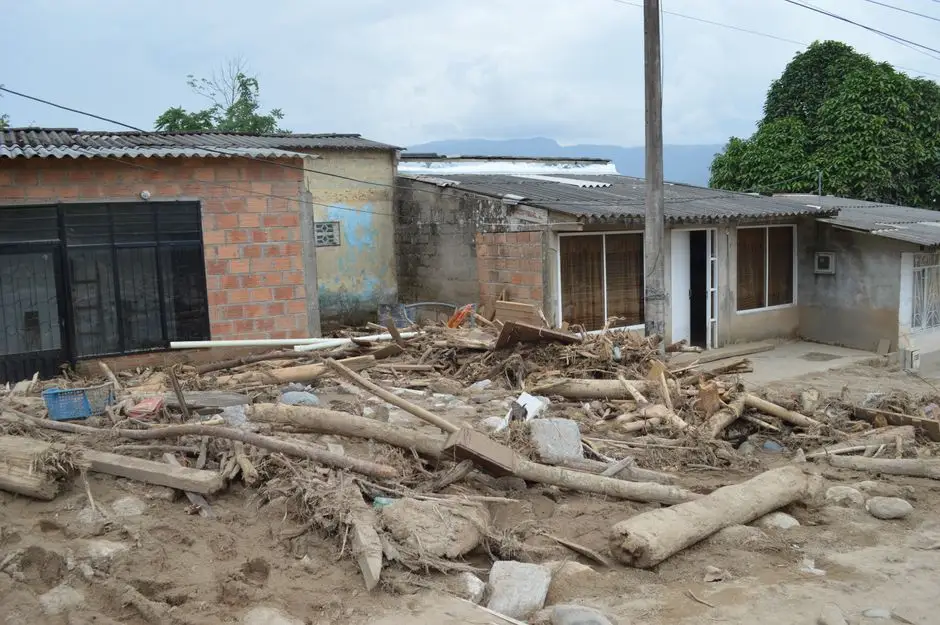
Emergency water extraction
Truck-mounted and portable extraction units pull standing water from carpet, hardwood, tile, and concrete. We remove saturated carpet pad and any material that can't be dried in place.
Every flood cleanup job we run includes the core scope: emergency response, water extraction, structural drying, moisture verification, and documentation for your insurance claim. Rebuild work like drywall, paint, and flooring is quoted separately once the structure is dry and we know what has to be replaced.
Truck-mounted and portable extraction units pull standing water from carpet, hardwood, tile, and concrete. We remove saturated carpet pad and any material that can't be dried in place.
Desiccant dehumidifiers and air movers sized to the cubic footage of the affected space. Air scrubbers with HEPA filter media go in when mold or sewage contamination is present.
Hygrometer and infrared thermometer readings logged every day against the dry standard for your materials. You see the numbers before we pull equipment.
Antimicrobial solution applied to affected framing, subfloor, and wall cavities to slow mold growth while the structure dries. Benefect and Fiberlock products used where appropriate.
Photos, moisture maps, and Xactimate line items compiled for your adjuster. We bill your carrier directly on covered losses to keep the claim moving.
Contaminated carpet, pad, drywall, and insulation bagged and hauled off-site. Sewage-contaminated material is handled as Category 3 waste and never dried in place.
Flood Damage Cleanup in Idaho is the full process of removing standing water, extracting what's soaked into floors and walls, and drying the structure back to safe moisture levels. It starts with a moisture meter and thermal imaging camera to map how far the water traveled, then water extraction units pull the bulk out. From there we set dehumidifiers and air movers, check readings daily with a hygrometer, and only close the job when materials test dry. Sewage backup, roof leak, or slab leak, the sequence is the same.
Most Idaho calls we run come from a handful of repeat offenders: frozen pipe splits in January, sump pump failure during spring snowmelt, appliance leak behind a washer, and crawl space water that nobody notices for weeks. North Idaho gets rain-on-snow events that push water into basements; the Snake River Plain gets fast thaws that overwhelm drainage. That's why affordable flood cleanup in Idaho has to start with finding the source, not just vacuuming the puddle.
Five stages, from the first phone call to the final moisture reading. You'll know what's happening and when.
Schedule
Call or book online — a real human picks up and confirms a 2-hour arrival window.
Diagnose
Licensed tech inspects on-site, then walks you through the cause and your options.
Fix
The job is completed to code and done right the first time — no shortcuts, no surprises.
Guarantee
Every job backed by a written workmanship warranty — and we stand behind it.
Moisture meter and hygrometer
Used to measure moisture content in drywall, framing, and subfloor, and to track relative humidity in the drying chamber. These readings drive every decision about when the job is done.
Thermal imaging camera and infrared thermometer
Finds hidden moisture behind walls and under floors without tearing everything open. Lets us map the wet boundary fast and confirm the dry-out is complete.
Dri-Eaz and Phoenix desiccant dehumidifiers
Pulls moisture out of the air in cool, damp spaces like crawl spaces and basements where refrigerant units lose efficiency. Sized to the cubic footage of the affected area.
Legend Brands air movers
High-velocity fans that evaporate moisture off wet surfaces so the dehumidifier can capture it. Positioned to create a drying vortex across floors and walls.
Abatement Technologies air scrubbers with HEPA filter
Filters airborne mold spores and dust during remediation and drying. Runs continuously in contained work areas to keep spores from spreading to clean rooms.
Boroscope
A camera on a flexible probe that lets us look inside wall cavities and under cabinets without full demolition. Confirms whether framing is wet or mold is present.
Water extraction unit and wet/dry vacuum
Truck-mounted and portable units that pull standing water out of carpet, hardwood, and concrete. The first mechanical step in any flood cleanup job.
IICRC S500 water damage standard
The industry standard for classifying water losses and setting drying goals. We follow it to determine what can be dried in place versus what has to be removed, and to document the job for insurance.
IICRC S520 mold remediation standard
Applied when water has sat long enough for mold to grow. Covers containment, removal, and verification so the space tests clean before rebuild begins.
Xactimate documentation
The estimating platform most insurance carriers use. We build the scope in Xactimate so your adjuster can process the claim without a second inspection.
EPA Lead-Safe practices
Required on pre-1978 homes when demolition disturbs painted surfaces. We contain the work area and follow lead-safe handling so the cleanup doesn't create a new hazard.
01
What we do: Call (855) 343-0501 and we dispatch an extraction crew. Shut off the main if you can find it, kill power to wet areas if it's safe, and don't run a household vacuum over standing water.
→ Water is extracted the same night, drying equipment is set, and the dry-out starts before mold has a chance to take hold.
02
What we do: We extract the water, pull saturated carpet and pad, and dry the slab and framing. We also check the sump pit and discharge line so the failure doesn't repeat.
→ Basement is dry in three to five days and you know whether the pump needs replacing before next spring.
03
What we do: We tarp the roof if needed, extract water from the ceiling and floor, remove wet insulation, and dry the framing. Documentation goes to your adjuster for the storm claim.
→ Ceiling and framing dry out, insulation is replaced, and the repair is finished without a second contractor.
04
What we do: We extract, remove damaged drywall and baseboard, treat with antimicrobial solution, and run air scrubbers. If mold is present, we contain the area with polyethylene sheeting and remediate to IICRC S520.
→ Mold is removed, the space tests clean, and the rebuild is finished so the house is livable again.
Idaho's climate splits the state into two very different flood profiles. North Idaho gets rain-on-snow events and heavy winter rain that push water into basements and crawl spaces around Harrison, Athol, and Medimont. The Snake River Plain gets fast spring thaws and irrigation-driven groundwater that overwhelm sump pumps and foundation drains. Older homes in towns like Shelley and Parma often have cast iron drains and undersized sump pits, so a heavy rain can back up a floor drain in minutes. Newer slab-on-grade builds in Meridian and Star tend to flood from appliance leak and supply line failures instead. We size equipment for the actual conditions, use desiccant dehumidifiers in cool crawl spaces where refrigerant units underperform, and follow IICRC S500 drying goals so the job is verified dry, not just dry to the touch.
Meridian
Fast-growing subdivisions with slab-on-grade construction. Most calls here are supply line failures and appliance leak behind refrigerators and washing machines.
Harrison
Lakefront and near-lake homes with crawl spaces that flood during spring runoff. Desiccant dehumidifiers are the standard tool for these cool, damp spaces.
Shelley
Older housing stock with cast iron drain lines and smaller sump pits. Sewage backup and floor drain overflow are common after heavy spring rain.
Star
Newer construction with PEX supply lines. Burst fittings and washing machine hose failures are the most frequent calls we run here.
Athol
Rural properties with private wells and older outbuildings. Frozen pipe splits in unheated shops and garages are a recurring winter issue.
Rain-on-snow events in North Idaho
Melts snowpack fast and pushes water into basements and crawl spaces. We keep desiccant dehumidifiers staged for these calls because standard refrigerant units lose capacity in cold, damp conditions.
Spring snowmelt on the Snake River Plain
Overwhelms sump pumps and foundation drains across the Treasure Valley and eastern Idaho. We check the sump pit and discharge line on every basement job so the failure doesn't repeat.
Frozen pipe splits during January cold snaps
Supply lines in exterior walls and unheated crawl spaces split and release water when they thaw. We open the wall, find the wet boundary with a boroscope, and dry the cavity.
Hard freezes followed by rapid warm-ups
Creates pressure spikes in older plumbing and irrigation lines. We see a spike in slab leak and foundation leak calls during these swings.
Most floods we get called to fall into a handful of categories. Here's what we see and how we handle each one.
Problem
Water travels inside the wall cavity, soaking insulation and drywall while the surface looks fine. By the time you see the stain, mold has a head start.
Our Fix
We shut off the supply, open the wall to find the wet boundary with a boroscope, extract standing water, and dry the cavity with air movers and a dehumidifier. Insulation that's soaked comes out and gets replaced.
Problem
Basements fill fast when the pump quits during a thaw. Carpet, pad, stored boxes, and the bottom of the furnace and water heater all take on water.
Our Fix
We extract the standing water, pull saturated carpet and pad, and dry the slab and framing. We also check the sump pit and discharge line so the same failure doesn't repeat next spring.
Problem
Category 3 water carries bacteria and pathogens. Anything porous it touches has to be removed, not dried, and the space needs disinfection before anyone uses it again.
Our Fix
We bag and haul contaminated material, apply antimicrobial solution and disinfectant, and run air scrubbers. Once the space tests clean, we handle the rebuild.
Problem
Standing water rots floor joists, ruins vapor barrier, and feeds mold that eventually shows up as a smell inside the house. Structural damage can get expensive fast.
Our Fix
We extract the water, dry the space with a desiccant dehumidifier, treat the framing, and replace the vapor barrier. We also look for the entry point, whether that's a foundation leak or poor drainage.
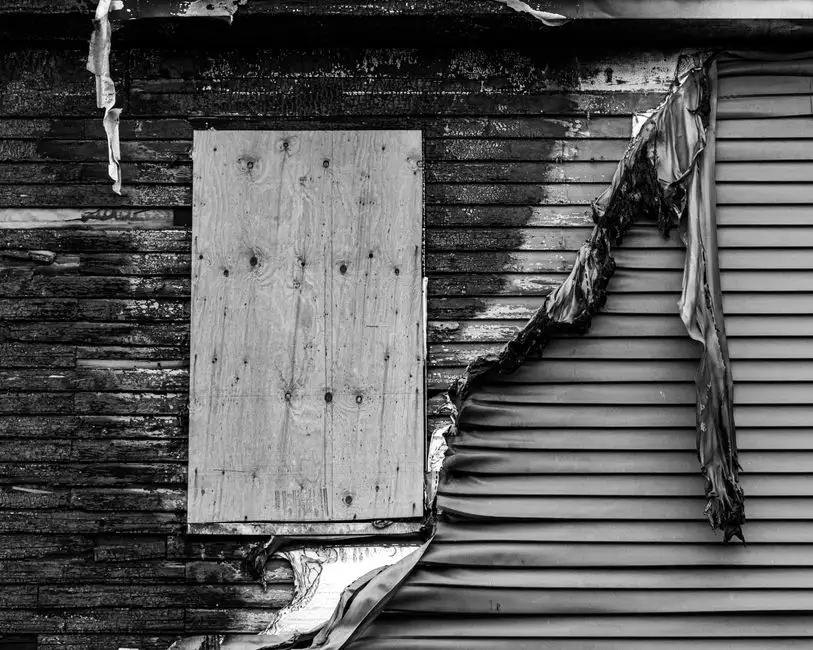
Flooding doesn't wait for business hours, and neither do we. Here's what you get when you call Water Damage Pros Idaho.
24/7 emergency response
Water spreads through drywall and subfloor within hours. We answer calls around the clock, including holidays, and dispatch extraction crews so 24/7 flood damage cleanup in Idaho starts the same night you call, not the following Tuesday.
Drying verified by meter
We don't guess. Every job gets daily moisture readings with a hygrometer and infrared thermometer, logged against the dry standard for your materials. You see the numbers before we pull equipment, so you know the structure is actually dry.
Insurance paperwork handled
We document affected areas with photos, moisture maps, and Xactimate line items your adjuster recognizes. That shortens the back-and-forth and gets flood damage repair Idaho claims moving instead of sitting in a queue.
Mold stopped early
Mold growth can start in 24 to 48 hours in a warm, wet Idaho home. We apply antimicrobial solution and run air scrubbers with HEPA filter media during the dry-out, then verify with a boroscope inside wall cavities before we rebuild.
Typical 2026 pricing for flood damage cleanup in Idaho runs $1,200 to $6,500 for most residential jobs, with small single-room extractions closer to $800 and full basement floods with sewage contamination running higher. The biggest cost drivers are water category, square footage affected, and how much material has to be removed rather than dried. We document the scope in Xactimate and bill your carrier directly on covered losses, so you see the numbers before work starts.
Typical Investment Range
$800 - $6,500 depending on scope
The cost of a proper dry-out is a fraction of what mold remediation and structural repair run when a flood is handled poorly. Getting the structure verified dry the first time is the cheapest path.
What changes the price
Water category
Clean water from a supply line costs less to handle than Category 3 sewage backup, which requires removal of porous material and full disinfection. Category 3 jobs typically run 40 to 60 percent higher.
Square footage affected
Extraction and drying equipment is sized to the affected area. A single room runs less than a full basement, and equipment count drives both the daily rate and the total job cost.
Material removal
Carpet, pad, and saturated drywall that can't be dried in place add disposal and replacement cost. The more material that has to come out, the higher the total.
Drying duration
Most residential dry-outs run three to five days. Crawl spaces, thick plaster walls, and homes with high ambient humidity can take a week or more, which adds equipment rental days.
Access and containment
Crawl spaces, second-floor floods, and jobs requiring polyethylene sheeting containment take more labor. Tight access slows extraction and equipment setup.
Mold presence
If water sat more than 48 hours and mold has started, remediation adds containment, HEPA filtration, and removal of affected material. That's a separate scope from the dry-out.
Google ★★★★★4.9
Called at 11 p.m. about a burst pipe and they had a crew out before 1 a.m. Extracted the water, set drying equipment, and checked moisture every day. Four days later everything was dry and they replaced the baseboard. Straightforward pricing and no surprises.
Google ★★★★★4.8
Sewage backup in our basement and they handled it properly, bagged and hauled everything contaminated, disinfected, and documented it all for our insurance. Adjuster accepted the scope without a second visit. Tenant was back in the unit in under two weeks.
BBB ★★★★★4.9
Crawl space had been wet for weeks and we didn't know it. They extracted the water, ran a desiccant dehumidifier for almost a week, and replaced the vapor barrier. Joists tested dry before they left. No musty smell this year.
Our technicians hold IICRC WRT and IICRC ASD certifications, with AMRT training on the mold side. We follow the IICRC S500 standard for water damage and S520 for mold, and we document every job to that benchmark. Crews are OSHA 10 and OSHA 30 trained, and we work EPA Lead-Safe practices on pre-1978 homes common in older Idaho neighborhoods. We've dried everything from Meridian slab-on-grade builds to Harrison lake cabins with crawl spaces that flood every spring.
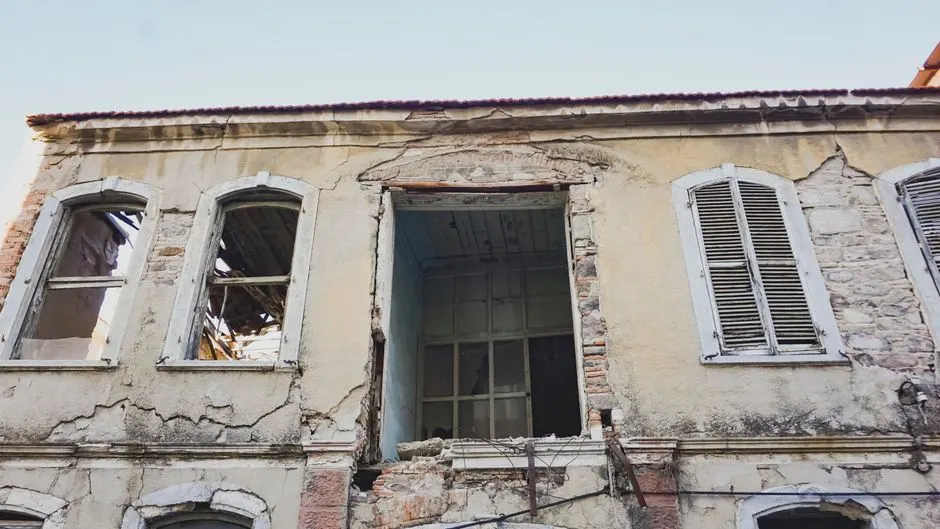
Water Damage Pros Idaho runs flood cleanup crews across the state, from the Treasure Valley to North Idaho and the rural communities in between. If you're looking for flood cleanup Idaho and you're anywhere in our coverage area, call and we'll tell you when a crew can be there.
Slab-on-grade subdivisions and fast-growing neighborhoods. Most Meridian calls are supply line failures and appliance leak behind washers and refrigerators. We extract, dry, and handle the rebuild.
Newer construction with PEX plumbing. Burst fittings and washing machine hose failures are the most common calls. We respond 24/7 and document the loss for your adjuster.
Older housing stock with cast iron drains and smaller sump pits. Sewage backup and floor drain overflow after spring rain are common. We handle Category 3 cleanup and disinfection.
Rural properties and older homes near the Snake River. Foundation leak and crawl space water are frequent. We extract, dry with desiccant dehumidifiers, and restore vapor barrier.
North Idaho properties with private wells and unheated outbuildings. Frozen pipe splits in shops and garages are a recurring winter issue. We thaw, repair, and dry the affected area.
Small eastern Idaho community with agricultural properties and older homes. Sump pump failure and irrigation-driven groundwater are the main flood sources. We extract and dry fast.
Lakefront and near-lake homes with crawl spaces that flood during spring runoff. Desiccant dehumidifiers are the standard tool here. We dry the space and replace damaged vapor barrier.
Rural Kootenai County properties with wells and older construction. Rain-on-snow events push water into basements and crawl spaces. We run crews out and handle the full dry-out.
Remote western Idaho community where a flooded home can sit for days before anyone notices. We run crews to the job, extract, dry, and document the loss for insurance.
Real answers to the questions we hear most often from local homeowners and property managers.
Full-scope restoration from extraction through rebuild. When flood cleanup in Idaho uncovers damaged subfloor or framing, this is the service that puts the structure back to pre-loss condition.
View Water Damage RestorationFast standing-water removal for burst pipes, appliance failures, and storm intrusion. We dispatch 24/7 so water doesn't sit overnight and wick into baseboards and wall cavities.
View Emergency Water RemovalTruck-mounted and portable extraction units pull water from carpet, hardwood, and concrete. This is the first mechanical step in any flood cleanup and the one that limits how much material has to be replaced.
View Water ExtractionBasements flood from sump pump failure, foundation leak, and spring snowmelt. We extract, dry, and check the foundation for the entry point so the same basement doesn't flood again next season.
View Basement Water RemovalCrawl space water rots joists and feeds mold long before you smell it upstairs. We extract, dry with desiccant dehumidifiers, and restore vapor barrier so the space stays dry.
View Crawl Space Water RemovalCategory 3 water carries pathogens and requires removal, not drying. We bag and haul contaminated material, apply antimicrobial solution, and disinfect before any rebuild begins.
View Sewage Backup CleanupCall (855) 343-0501 any hour of the day or night. We answer live, ask the right questions, and dispatch the closest crew to your address. Most Idaho emergency calls get a technician on site within 60 to 90 minutes. If you prefer, send us the details by email and we will call you back within 15 minutes.
Phone
(855) 343-0501Address
Idaho
Hours
Mon–Fri: 7AM – 7PM
Sat: 8AM – 4PM
Sun: Emergency Only
24/7 Emergency Available