
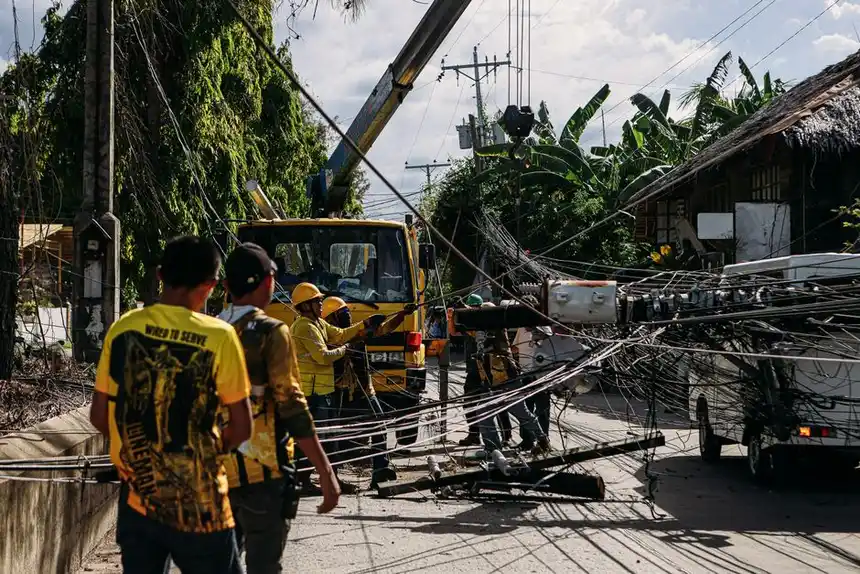
Emergency Tarp and Board-Up
We cover roof damage with heavy tarps and board broken windows the same visit to stop water intrusion. This protects the interior while your insurance claim is being processed and prevents the loss from growing.
Every storm job starts with emergency mitigation and documented drying. Repairs are scoped after the structure is dry so we are not rebuilding over wet framing. Here is what is included in a standard scope, and what we add on when the damage calls for it.
We cover roof damage with heavy tarps and board broken windows the same visit to stop water intrusion. This protects the interior while your insurance claim is being processed and prevents the loss from growing.
Truck-mounted extraction units and wet/dry vacuums pull standing water from carpet, hardwood, and concrete. We remove saturated materials that cannot be dried in place, including ruined drywall and insulation.
Desiccant dehumidifiers, air movers, and HEPA air scrubbers run until moisture readings hit the dry standard. We log daily hygrometer readings and provide the documentation your adjuster needs to approve the claim.
Affected surfaces get treated with antimicrobial solution and Benefect to stop mold growth before it starts. This is standard on every water intrusion job, not an upsell, because mold can colonize in 48 to 72 hours.
Storm debris, broken shingles, and ruined building materials get hauled off the property. We leave the site clean so your rebuild crew can start without clearing the mess first.
We replace drywall, baseboard, insulation, roofing, and siding using mold-resistant drywall in wet zones and a vapor barrier in crawl spaces. The rebuild is covered under our workmanship warranty.
Storm Damage Restoration in Idaho is the full scope of work that returns a storm-hit property to pre-loss condition: emergency tarping and board-up, water extraction, structural drying, debris removal, and repairs to roofing, siding, drywall, and insulation. It is not just cleanup. It is a documented, code-correct rebuild that starts the moment we arrive and ends when your adjuster signs off on the final invoice.
Idaho storms hit differently depending on where you live. High-desert wind in Glenns Ferry drives rain sideways under shingles, while mountain snowmelt and frozen pipe bursts in Idaho City flood crawl spaces in March. We see roof leak calls after every summer microburst, sewage backup after fall downpours, and slab leak damage when the ground shifts. If you need affordable storm damage repair in Idaho, we scope the job honestly and only bill for what the damage requires.
Storm damage restoration services in Idaho follow a defined sequence, and skipping steps is how mold and structural problems start. Here is exactly what happens from the moment you call until the job is closed out.
Schedule
Call or book online — a real human picks up and confirms a 2-hour arrival window.
Diagnose
Licensed tech inspects on-site, then walks you through the cause and your options.
Fix
The job is completed to code and done right the first time — no shortcuts, no surprises.
Guarantee
Every job backed by a written workmanship warranty — and we stand behind it.
Moisture Meter and Hygrometer
We use these to measure moisture content in drywall, framing, and subfloor, and to confirm the structure has hit the dry standard before we pull equipment.
Thermal Imaging Camera
Infrared imaging shows us wet zones hidden behind walls and under floors, so we find the full extent of the damage instead of guessing from the visible surface.
Desiccant Dehumidifiers
Dri-Eaz and Phoenix Restoration Equipment desiccant units pull moisture from the air in cool, damp conditions where refrigerant dehumidifiers stall out.
Air Movers and HEPA Air Scrubbers
Air movers speed evaporation at the surface while HEPA-filtered air scrubbers capture mold spores and dust, keeping the rest of the home clean during the dry-out.
Water Extraction Unit and Sump Pump
Truck-mounted extraction units and sump pumps remove standing water fast from carpet, hardwood, and below-grade spaces before it wicks into the walls.
Boroscope
A boroscope lets us inspect inside wall cavities and crawl spaces without tearing everything open, so we only remove materials that are actually wet.
IICRC S500 Drying Standard
We dry to the IICRC S500 standard, which sets target moisture content and equipment ratios based on the size and class of the loss. Following the standard protects your rebuild and gives your adjuster documented proof the dry-out was done correctly.
Xactimate Estimating
We write every scope in Xactimate, the same software most insurance carriers use. That means line items match what your adjuster expects, which cuts back-and-forth and speeds up claim approval on storm damage repair Idaho jobs.
Containment with Polyethylene Sheeting
When mold or sewage is present, we seal the work area with polyethylene sheeting and run HEPA air scrubbers under negative pressure. This keeps contaminants from spreading to clean rooms during removal.
Antimicrobial and Benefect Treatment
After extraction and removal, we treat affected surfaces with antimicrobial solution and Benefect, a botanical disinfectant. This stops mold growth and sanitizes Category 3 losses before we rebuild.
01
What we do: We tarp the roof the same day, extract water from the attic and ceiling, and dry the framing with air movers and a dehumidifier. We document the damage with photos and moisture readings for your adjuster.
→ The interior stays dry, mold never starts, and your roof and ceiling are rebuilt within two to three weeks.
02
What we do: We shut off the water, extract standing water, remove saturated insulation, and dry the joists with a desiccant dehumidifier. We check for slab leaks and other frozen lines before we leave.
→ The crawl space is dry in four days, framing is protected, and your insurance claim is documented from the first visit.
03
What we do: We extract the water with truck-mounted units, remove ruined carpet and drywall, and dry the concrete and framing. We also check the sump pump and drainage so it does not fail again.
→ Your basement is dry and usable again in about a week, with a vapor barrier and drainage fix to prevent a repeat.
04
What we do: We use a moisture meter and thermal imaging camera to map the wet zone, remove saturated drywall and insulation, and dry the cavity with air movers and HEPA air scrubbers.
→ The wall is dried to standard, rebuilt with mold-resistant drywall, and sealed against future wind-driven rain.
Idaho weather is not one thing. The Treasure Valley gets wind-driven rain and hail in spring, the Snake River Plain sees microbursts in summer, and mountain towns like Idaho City and McCall deal with heavy snow loads and frozen pipe bursts through winter. That range shapes how we scope every job. We check for frozen pipe damage in crawl spaces, slab leaks after ground movement, and roof leak intrusion after wind events. Building stock matters too. A lot of Idaho homes are older, with pre-1980 materials, so EPA Lead-Safe practices apply before we disturb paint. We pull the right permits, work to Idaho code on framing and vapor barriers, and use mold-resistant drywall in wet zones. If you need emergency storm damage restoration in Idaho, we stage crews across the state so rural addresses get the same response time as metro ones.
North End, Boise
Older homes with mature trees mean more fallen-limb roof damage and aging plumbing prone to frozen pipe bursts in cold snaps.
Snake River Plain, Idaho Falls area
Open exposure to wind and hail makes roof damage and siding intrusion common after summer storms.
Downtown Rexburg
Dense student rentals see more burst pipe and appliance leak calls in winter when units sit vacant over break.
Rural communities near Hammett and Glenns Ferry
Longer response distances and well-and-septic systems mean crawl space flooding and sump pump failure are frequent.
Freeze-thaw cycles from November through March
Pipes in crawl spaces and exterior walls freeze and burst, driving emergency water removal calls across the state each winter.
Summer microbursts and hail
Wind tears shingles and drives rain under siding, causing roof leak and wall cavity damage that needs tarping and structural drying.
Spring snowmelt and heavy rain
Runoff overwhelms drainage and sump pumps, flooding basements and crawl spaces from the ground up.
Expansive soils in the Treasure Valley
Ground movement stresses foundations and pipes, leading to slab leaks and foundation leaks that show up after storms.
Storm damage rarely shows up as one clean problem. It is usually a roof leak feeding a wet ceiling, or a flooded crawl space rotting the floor above. Here are the issues we see most and how we handle them.
Problem
Wet insulation loses R-value, drywall sags, and mold starts within three days. Left alone, the leak rots roof decking and framing, turning a repair into a structural job.
Our Fix
We tarp the roof, extract water from the ceiling cavity, and dry the framing with air movers and a dehumidifier. Once dry, we replace the insulation, drywall, and roofing so the assembly is sealed and code-correct.
Problem
A burst pipe can dump hundreds of gallons before you notice. Carpet, drywall, and stored belongings soak fast, and standing water wicks up wall cavities within hours.
Our Fix
We shut off the water, extract with truck-mounted units, and remove saturated materials. Desiccant dehumidifiers and air movers dry the structure in three to five days, and we document everything for your insurance claim.
Problem
Category 3 water carries bacteria and pathogens. Anything it touches, including drywall and carpet, is a health hazard and must be removed, not dried in place.
Our Fix
Our crews remove contaminated materials, treat the area with antimicrobial solution and Benefect, and run HEPA air scrubbers. We rebuild once the space passes a sanitary check.
Problem
Standing water under the home rots floor joists, warps subfloor, and feeds mold that migrates into living space. It also attracts pests and ruins insulation.
Our Fix
We pump and extract the water, dry the joists and subfloor with desiccant dehumidifiers, and install a vapor barrier to keep ground moisture out going forward.
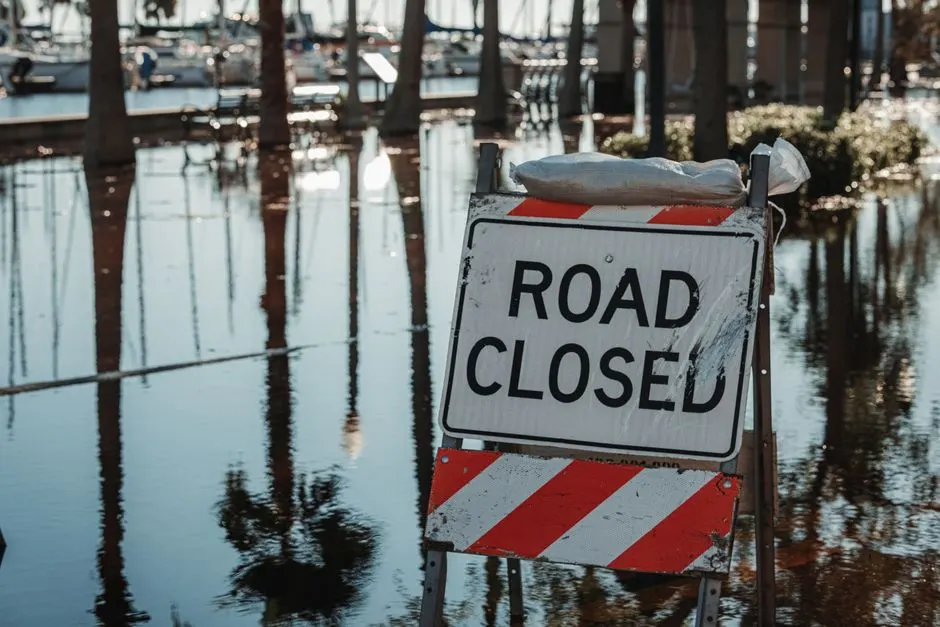
Storm damage gets worse by the hour. Water wicks into wall cavities, mold colonizes within 48 to 72 hours, and a small roof leak becomes a ceiling collapse. Here is what you get when you call us instead of waiting on a general handyman.
Same-Day Emergency Response
We answer the phone 24/7 and dispatch crews across Idaho with tarps, water extraction units, and board-up materials on the truck. Most emergency calls in the Treasure Valley get a technician on-site within 60 to 90 minutes, and we start mitigation the same visit, not the next morning.
Insurance-Ready Documentation
Every job gets moisture meter readings, thermal imaging camera photos, and a line-item Xactimate estimate your adjuster can process without back-and-forth. We photograph affected materials before removal, log drying readings daily, and submit the packet directly to your carrier so storm damage repair Idaho claims move faster.
IICRC-Certified Drying
Our technicians hold IICRC WRT and ASD credentials and dry to the S500 standard. We place desiccant dehumidifiers, air movers, and HEPA-filtered air scrubbers to hit target moisture content, then verify with a hygrometer before we pull equipment. No guesswork, no re-wetting, no mold callbacks.
One Crew From Tarp to Rebuild
We handle emergency mitigation and the permanent repairs, so you are not juggling three contractors. Roofing, drywall, baseboard, insulation, and paint all fall under one scope. That keeps your timeline tight and your insurance claim clean from the first tarp to the final walkthrough.
Typical 2026 pricing for storm damage restoration in Idaho runs $1,800 to $8,500 for a residential job, with emergency mitigation alone starting around $1,200. Small roof leaks and minor dry-outs land near the low end, while full rebuilds after a wind event or sewage backup push higher. We write every scope in Xactimate and bill your carrier directly, so you see the same numbers your adjuster sees. No hidden fees, no surprise line items after the work is done.
Typical Investment Range
$1,800 - $8,500 depending on scope
You are paying for documented, code-correct work that protects your home and satisfies your insurance carrier. Cheap mitigation that skips drying steps leads to mold, rot, and a second claim. We do it right the first time.
What changes the price
Extent of Water Intrusion
A single-room dry-out costs far less than a whole-floor flood. The more square footage affected, the more equipment, labor, and materials the job requires.
Water Category
Clean water from a burst pipe is Category 1. Sewage backup is Category 3 and requires removal of contaminated materials plus antimicrobial treatment, which adds cost.
Materials Affected
Carpet and pad usually come out. Hardwood may be salvageable with specialty drying. Drywall and insulation that soaked through typically get replaced.
Structural Repairs Needed
Roof decking, framing, and subfloor damage add rebuild cost. Cosmetic repairs like paint and baseboard are cheaper than structural fixes.
Insurance Coverage
Most storm damage is covered under homeowners policies. We document the loss and bill your carrier directly, so your out-of-pocket cost is usually just your deductible.
Google ★★★★★4.9
Called at 11 p.m. after a pipe burst and they had a crew at the house in under an hour. Extracted the water, set drying equipment, and handled the insurance paperwork. Professional from start to finish.
BBB ★★★★★4.8
They tarped our roof after a windstorm and dried the attic before mold could start. The Xactimate estimate matched what our adjuster approved. No surprises on the final bill.
Yelp ★★★★★4.9
Sewage backup in our basement and they treated it like the health hazard it was. Removed everything contaminated, disinfected, and rebuilt the space. We felt safe having the kids downstairs again.
Our technicians train to IICRC WRT, ASD, and AMRT standards and work under an Idaho Contractor License. We carry EPA Lead-Safe and OSHA 10 and 30 certifications so pre-1980 homes and commercial sites get handled correctly. We have run mitigation on everything from a frozen pipe burst in a Rexburg rental to a wind-torn roof in Hammett. That local experience matters when your adjuster asks how Idaho weather affects the scope.

We run storm damage restoration services Idaho-wide, with crews staged to reach both metro neighborhoods and rural communities fast. Whether you are in a college town, a farming community, or a mountain hamlet, you get the same documented mitigation and rebuild. Here are a few of the Idaho cities we cover.
Frozen pipe bursts and winter storm damage in rentals and student housing are common here. We respond fast and document the loss for landlords and tenants alike.
Growing subdivisions and older farmhouses both see wind and hail damage. We tarp, dry, and rebuild to Idaho code with mold-resistant materials.
Small-town homes on the Snake River Plain get hit by summer microbursts. We handle roof leaks, siding intrusion, and crawl space flooding in one scope.
High-desert wind drives rain under shingles here. We tarp roofs, extract water, and dry wall cavities before mold takes hold.
Mountain snow loads and frozen pipes cause winter damage in this historic town. We handle emergency mitigation and rebuild with lead-safe practices on older homes.
Rural properties here deal with well-and-septic issues after storms. We pump crawl spaces, dry framing, and install vapor barriers to prevent repeat flooding.
Wind and dust storms along the high desert can damage roofs and siding. We respond with tarps, extraction gear, and full structural drying.
Remote location does not mean slow response. We stage crews to reach Atomic City with the same equipment and documentation as any metro job.
Real answers to the questions we hear most often from local homeowners and property managers.
Storm intrusion almost always brings water with it. We extract, dry, and restore wall cavities, flooring, and ceilings so secondary water damage does not turn into a mold claim on top of your storm claim.
View Water Damage RestorationWhen a storm drives water into your basement, every hour counts. Our crews pull standing water with truck-mounted extraction units and wet/dry vacuums, then start drying the same visit to limit how far moisture spreads.
View Emergency Water RemovalWe use water extraction units and sump pumps to remove standing water from carpet, hardwood, and concrete slabs. Fast extraction is the single biggest factor in whether your flooring survives a storm-driven flood.
View Water ExtractionFloodwater carries silt, debris, and contaminants. We remove ruined materials, disinfect with antimicrobial solution, and dry the structure to IICRC standards so your home is safe to reoccupy after a flood event.
View Flood Damage CleanupBasements flood fast when storm runoff overwhelms drainage. We pump, extract, and dry below-grade spaces, then check foundation leaks and sump pump failure so the same basement does not flood again next spring.
View Basement Water RemovalStanding water under a home rots joists and feeds mold. We extract crawl space water, install vapor barriers, and dry the space with desiccant dehumidifiers to protect the structural framing above.
View Crawl Space Water RemovalCall (855) 343-0501 any hour of the day or night. We answer live, ask the right questions, and dispatch the closest crew to your address. Most Idaho emergency calls get a technician on site within 60 to 90 minutes. If you prefer, send us the details by email and we will call you back within 15 minutes.
Phone
(855) 343-0501Address
Idaho
Hours
Mon–Fri: 7AM – 7PM
Sat: 8AM – 4PM
Sun: Emergency Only
24/7 Emergency Available