
Water Damage Pros Idaho logo Water Damage Pros Idaho
Get Estimate

Structural Drying in Idaho That Saves Your Floors and Framing

Fast, measured drying for homes and businesses statewide


Structural Drying in Idaho is the controlled removal of moisture trapped inside your floors, walls, ceilings and crawl spaces after a leak, flood or burst pipe. We handle everything from a single wet room to a flooded basement, using moisture meters, thermal imaging cameras and commercial dehumidifiers to dry the structure, not just the surface. Call (855) 343-0501 any hour and we roll.

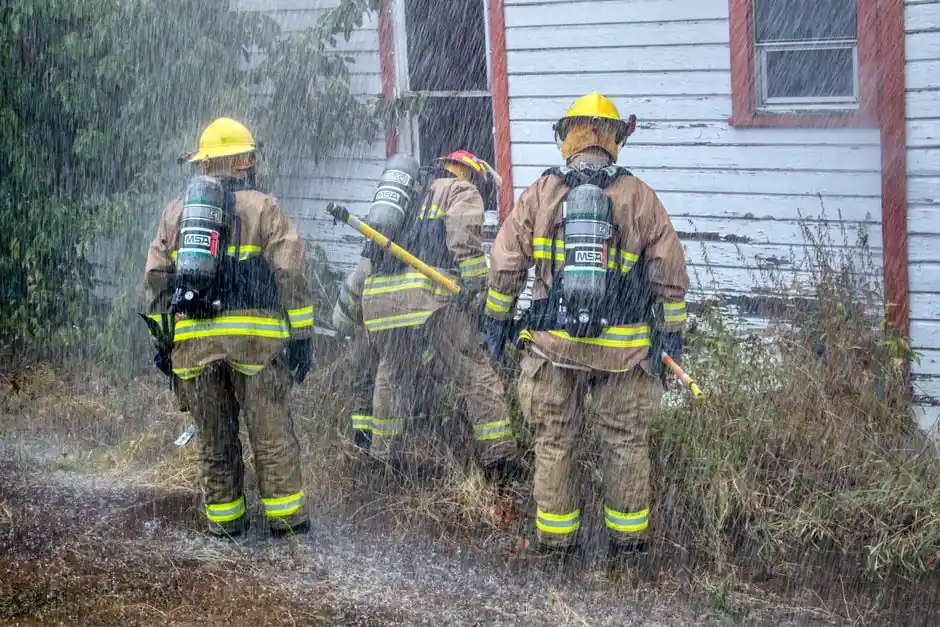
Firefighters in protective gear respond to a house fire with water hoses in Chewelah, WA.
Licensed Licensed & Bonded
Fully Insured Insured & Bonded
24/7 Emergency Same-Day Response
Warranty Backed Workmanship Guaranteed

What Our Structural Drying Service Includes

Every structural drying job starts with an inspection and ends with a documented dry standard. Here is what is included in a standard job, and what we add on when the loss calls for it.

Moisture Inspection and Mapping

We walk the property with a moisture meter, thermal imaging camera and infrared thermometer to find the full wet boundary. We check inside wall cavities with a boroscope so we are not drying blind. You get a written scope before equipment goes down.

Water Extraction

Standing and surface water comes out with a water extraction unit and wet/dry vacuum. A sump pump handles basement and crawl space flooding. Extraction is included on every job because drying goes faster when the bulk water is already gone.

Drying Equipment Setup

We place air movers and dehumidifiers based on the readings, and seal rooms with polyethylene sheeting when containment helps. Desiccant dehumidifiers go in for low-humidity or cold-space drying. Equipment runs 24/7 until the structure hits its dry standard.

Daily Monitoring and Adjustment

A technician returns every day to log readings with a hygrometer and reposition equipment as the wet zone shrinks. You get a daily update. Drying is done when the readings say so, not when the floor feels dry to the touch.

Antimicrobial Application

Wet framing, subfloor and drywall get an antimicrobial solution to stop mold growth while the structure dries. On contaminated losses we use Benefect or Fiberlock products. This is included on any job where materials were wet longer than 24 hours.

Insurance Documentation

We compile moisture logs, photos and drying records in Xactimate-compatible format for your adjuster. That file is what gets your claim approved. We bill the insurer directly when your policy allows it, so you are not fronting the whole cost.

What Structural Drying in Idaho Actually Involves


Structural Drying in Idaho means pulling moisture out of the building materials themselves, not just vacuuming water off the floor. Water wicks into drywall, baseboard, subfloor, joists and insulation within hours. We map the wet zone with a moisture meter and thermal imaging camera, then set a drying system: air movers to drive evaporation, dehumidifiers to strip that moisture out of the air, and sometimes polyethylene sheeting to contain a sealed drying chamber. Every 24 hours we log readings with a hygrometer until the structure matches a dry standard.

The reason this matters here is simple. Idaho homes see frozen pipe bursts in January, slab leaks under slab-on-grade floors, crawl space water after spring snowmelt, and roof leaks from wind-driven rain. Each one leaves moisture in a different place. A homeowner in Kuna with a wet crawl space needs a different setup than a business in Idaho Falls with a soaked commercial ceiling. That is why we test first and dry second, instead of guessing.

How Our Structural Drying Process Works

Five steps, from the first phone call to the final moisture reading. You will know what is happening and what it costs before we start.

01

Schedule

Call or book online — a real human picks up and confirms a 2-hour arrival window.

02

Diagnose

Licensed tech inspects on-site, then walks you through the cause and your options.

03

Fix

The job is completed to code and done right the first time — no shortcuts, no surprises.

04

Guarantee

Every job backed by a written workmanship warranty — and we stand behind it.

Tools and Methods We Use for Structural Drying

Tools & Equipment

Moisture Meter and Hygrometer

We use a moisture meter to find wet materials and a hygrometer to measure the humidity in the air. Together they tell us where the water is and whether the drying system is actually working.

Thermal Imaging Camera

A thermal imaging camera shows temperature differences that reveal hidden moisture behind walls and under floors. It is how we find the wet boundary without tearing out drywall to look.

Boroscope and Infrared Thermometer

A boroscope lets us look inside wall cavities through a small hole. The infrared thermometer confirms surface temperatures so we know where evaporation is happening and where it is not.

Dri-Eaz and Phoenix Dehumidifiers

We run Dri-Eaz and Phoenix Restoration Equipment dehumidifiers, including desiccant dehumidifier units for cold spaces and low-humidity drying. These pull moisture out of the air so wet materials keep releasing it.

Air Movers and Air Scrubbers

Air movers drive evaporation off wet surfaces. Air scrubbers with HEPA filter media pull particulate and mold spores out of the air during and after the dry. We run both on most jobs.

Water Extraction Unit and Sump Pump

A water extraction unit and wet/dry vacuum remove standing water from carpet and hard surfaces. A sump pump handles basement and crawl space flooding where the water has pooled.

Polyethylene Sheeting and Drying Mats

Polyethylene sheeting builds a sealed drying chamber to concentrate dry air. Drying mats pull moisture out of hardwood and concrete floors without tearing them out.

Methods & Standards

IICRC S500 Drying Standard

We follow the IICRC S500 standard for water damage and structural drying. It sets the dry standard, the monitoring schedule and the documentation requirements. Following it is what makes our drying defensible to an insurance adjuster.

Daily Moisture Logging

Every job gets a daily moisture log with readings from a moisture meter and hygrometer. We adjust equipment placement based on the numbers. Drying is finished when the readings hit the dry standard, not when the surface feels dry.

Sealed Drying Chambers

For contained losses we build a drying chamber with polyethylene sheeting and run a desiccant dehumidifier inside it. This concentrates dry air where the moisture is and cuts drying time on hard-to-reach assemblies.

Antimicrobial Treatment

We apply an antimicrobial solution to wet framing, subfloor and drywall while the structure dries. On contaminated losses we use Benefect or Fiberlock products. This stops mold growth during the drying window.

When You Need Structural Drying in Idaho

01

A pipe bursts at 2 a.m. in January and water runs under the flooring before you wake up.

What we do: We dispatch a crew with extraction and drying equipment on the truck. We shut down the water, extract, and set air movers and dehumidifiers the same visit. No waiting for a second trip.

→ Most floors and wall bases dry in three to four days, and you avoid replacing the subfloor.

02

A washing machine supply line fails while you are at work and soaks the laundry room and hallway.

What we do: We extract the standing water, pull the baseboards to dry the wall base, and run a sealed drying chamber with polyethylene sheeting to concentrate the dry air where it is needed.

→ The drywall and framing dry in place, and you only replace the baseboard, not the wall.

03

A roof leak from wind-driven rain soaks the ceiling and insulation in an upstairs bedroom.

What we do: We tarp the roof if the leak is active, remove wet insulation, and dry the ceiling cavity with air movers and a dehumidifier. A moisture meter confirms the framing is dry before we close it up.

→ The ceiling is saved, the insulation is replaced, and the repair is documented for your storm claim.

04

A sump pump fails during spring runoff and floods the basement with two inches of water.

What we do: We pump the water out with a sump pump and extraction equipment, then dry the concrete, framing and stored contents with dehumidifiers and air movers. We check the sump pit and recommend a backup.

→ The basement dries in four to five days and the framing reads dry on the final moisture log.

How Structural Drying Runs Here in Idaho

Idaho's climate makes structural drying a year-round job with a different cause each season. Winter brings frozen pipe bursts and ice dam roof leaks, especially in older homes with uninsulated crawl spaces. Spring snowmelt floods crawl spaces and basements, and slab leaks show up as the ground shifts. Summer storms drive rain through roofs and windows, and fall brings the first hard freezes that split supply lines. Building stock matters too: a 1920s home in Emmett has plaster walls and no vapor barrier, while a new build in Kuna has vapor barrier and mold-resistant drywall but tighter assemblies that trap moisture. We adjust the drying setup to the house, not a template. If you need emergency structural drying Idaho-wide, we run crews out of the Treasure Valley and the Panhandle so response stays fast.

Neighborhoods We Serve

  • North End, Boise

    Older homes with plaster walls and uninsulated crawl spaces. Drying takes longer because plaster releases moisture slowly, so we extend the monitoring schedule by a day or two.

  • Downtown Emmett

    Historic commercial buildings with brick and plaster assemblies. We use desiccant dehumidifiers because the masonry holds moisture and standard refrigerant units struggle in cold weather.

  • Kuna Foothills

    Newer construction with vapor barrier and mold-resistant drywall. Tight assemblies trap moisture, so we rely on boroscope checks inside wall cavities before we call the job dry.

  • Marsing River Bottoms

    Properties near the Snake River see crawl space water after spring runoff. We pump, dry the joists, and recommend a vapor barrier to keep the space dry next season.

Local Conditions We Plan For

  • Hard freezes that split supply lines

    Frozen pipe bursts are our most common winter call. Water runs inside wall cavities for hours before it shows, so we open the wall, extract, and dry the cavity with air movers and a dehumidifier.

  • Spring snowmelt and high groundwater

    Crawl spaces and basements flood from below. We pump with a sump pump, then run desiccant dehumidifiers because the air is cool and standard units lose efficiency.

  • Wind-driven rain and roof leaks

    Storm damage pushes water into ceilings and insulation. We tarp active leaks, remove wet insulation, and dry the ceiling cavity before mold can take hold.

  • Slab-on-grade construction on expansive soil

    Slab leaks and foundation leaks wick water up into flooring and wall bases. We dry from the surface with drying mats and desiccant dehumidifiers, and document the readings for the claim.

Burst Pipe in a Kuna Kitchen

Before

A supply line failed overnight and soaked the kitchen floor, baseboards and the bottom two feet of drywall. The homeowner found standing water at 6 a.m. and called us. Moisture readings showed the subfloor and wall base were saturated.

After

We extracted the standing water, pulled the baseboards, and ran air movers and a dehumidifier for four days. Final readings showed the subfloor and framing at the dry standard. The drywall and cabinets were saved; only the baseboard was replaced.

Maintenance: We recommended a water alarm under the sink and an annual check of the supply line fittings. Both are cheap and catch the next failure before it floods the floor.

Before

Spring runoff pushed water into a crawl space and the homeowner did not notice until the floors felt soft. A moisture meter showed the joists and subfloor were wet, and humidity in the living space was elevated. No vapor barrier was installed.

After

We pumped the standing water with a sump pump, removed soaked debris, and ran a desiccant dehumidifier for five days. Final readings showed the joists and subfloor at the dry standard. We installed a vapor barrier to keep the space dry.

Maintenance: The homeowner now checks the crawl space each spring after snowmelt and keeps the sump pit clear. The vapor barrier keeps ground moisture out year-round.

Before

A sewer line backed up into a finished basement, soaking carpet, pad and the bottom of the drywall. The loss was contaminated, so the cleanup had to come before any drying. The homeowner called us the same evening.

After

We removed the carpet, pad and affected drywall, disinfected with Benefect and Fiberlock products, then dried the concrete and framing for five days. Final moisture readings were at the dry standard and the space was ready for rebuild.

Maintenance: We recommended a backwater valve on the sewer line and a sump pump with a battery backup. Both prevent the next backup from reaching the finished space.

Problems Structural Drying in Idaho Solves

Most water damage calls we run fall into a handful of patterns. Here is what we see, what happens if it is ignored, and how we fix it.

Problem

Frozen pipe burst inside a wall cavity

Water soaks drywall, insulation and framing for hours before anyone notices. By the time it shows on the ceiling below, mold has a head start and the repair bill doubles.

Our Fix

We locate the wet boundary with a thermal imaging camera, open the wall where needed, extract, and dry the cavity with air movers and a dehumidifier. Most wall cavities dry in three to four days without full tear-out.

Problem

Slab leak under a slab-on-grade floor

Water wicks up through the concrete and into flooring, baseboards and the bottom plate of every wall. It never dries on its own, and the moisture meter keeps climbing until the flooring buckles.

Our Fix

We map the moisture with a meter and infrared thermometer, dry the slab and flooring from the surface with desiccant dehumidifiers, and dry the wall bases with injected air. We document the readings so your insurer sees the full extent.

Problem

Crawl space water after snowmelt or heavy rain

Standing water under the house raises humidity inside the living space, rots joists, and feeds mold. Homeowners usually find out when floors feel soft or the house smells musty.

Our Fix

We pump the water out with a sump pump, remove soaked debris, and run a desiccant dehumidifier to dry the joists and subfloor. We install a vapor barrier where it is missing to keep the space dry going forward.

Problem

Sewage backup in a basement

Sewage is a contaminated loss. Anything it touches has to be removed or disinfected, and the structure still has to be dried. Skipping either step leaves bacteria and moisture behind.

Our Fix

We remove affected materials, disinfect with Benefect and Fiberlock products, then dry the structure with air movers and dehumidifiers. The cleanup comes first, the drying second, and both get documented for the claim.

Why Idaho Property Owners Choose Professional Drying

Why Idaho Property Owners Choose Professional Drying

Drying a structure is not a fan-and-wait job. Here is what you actually get when the equipment, the readings and the documentation are done right.

  • Stops Mold Before It Starts

    Mold growth can begin in 24 to 48 hours on wet drywall and framing. We dry fast enough to keep most materials below that threshold, and we apply an antimicrobial solution to surfaces that were already wet. That one step prevents the tear-out and remediation bill that follows a slow dry.

  • Saves Materials You Already Paid For

    Drywall, baseboard and hardwood can often be saved if drying starts within 48 hours. We use a boroscope to check inside wall cavities and a moisture meter to confirm the framing is dry, so you replace only what is truly ruined. Many jobs avoid demolition entirely.

  • Documented for Your Insurance Claim

    We log moisture readings, photos and daily drying records in Xactimate-compatible format. Adjusters want proof the structure was wet and proof it dried. That file is what gets your claim approved instead of argued over, and it is included on every structural drying services Idaho job we run.

  • Restores Air Quality Fast

    Wet carpet, insulation and crawl spaces throw humidity and odors through the whole house. We run air scrubbers with HEPA filter media and a desiccant dehumidifier where needed to pull that moisture and particulate out. You get a dry structure and air you can breathe again.

What Structural Drying Costs in Idaho

Typical 2026 pricing for structural drying in Idaho runs $1,200 to $3,500 for a residential job, with small single-room jobs under $900 and large commercial losses higher. The price is driven by square footage, how many dehumidifiers and air movers the job needs, and how many days the equipment runs. We give you the number before we start, and we do not stretch the drying days to pad the bill. If your insurance covers the loss, we bill the insurer directly when the policy allows it.

Typical Investment Range

$900 - $3,500 for most residential jobs; commercial and large losses higher

The price covers extraction, equipment, daily monitoring, antimicrobial treatment and insurance documentation. Skipping any of those steps is how a $2,000 dry turns into a $15,000 tear-out and mold remediation.

What changes the price

01

Square footage affected

A single wet room costs far less than a whole floor. We measure the wet zone with a moisture meter and price the drying system to that area, not the whole house.

02

Equipment count and type

Standard air movers and refrigerant dehumidifiers cost less to run than desiccant dehumidifiers. Crawl spaces and cold rooms need desiccant units, which raises the daily equipment cost.

03

Drying days required

Most jobs run three to five days. Saturated plaster, hardwood or thick subfloor can push it to seven. We monitor daily and pull equipment as soon as the readings hit the dry standard.

04

Water category and contamination

Clean water from a supply line is cheaper to dry than sewage backup or floodwater. Contaminated losses need material removal and disinfection with antimicrobial solution before drying starts.

05

Access and material removal

Crawl spaces, finished basements and tight wall cavities take more labor. If wet carpet, pad or drywall has to come out, that adds to the job before drying even begins.

06

Insurance coverage

Most sudden losses are covered. We document everything in Xactimate-compatible format and bill the insurer directly when your policy allows, so your out-of-pocket is often just the deductible.

Licensed, Certified and Documented

Licensed & Certified

  • IICRC WRT (Water Restoration Technician) — issued by Institute of Inspection, Cleaning and Restoration Certification
  • IICRC ASD (Applied Structural Drying) — issued by Institute of Inspection, Cleaning and Restoration Certification
  • IICRC AMRT (Applied Microbial Remediation Technician) — issued by Institute of Inspection, Cleaning and Restoration Certification
  • EPA Lead-Safe Certified Firm — issued by U.S. Environmental Protection Agency
  • OSHA 10 and OSHA 30 Trained Crews — issued by Occupational Safety and Health Administration

Verified Reviews

Google ★★★★★4.9

Called at 5 a.m. after a pipe burst and they had a crew at the house by 8. Extracted the water, set up drying equipment, and logged readings every day. The insurance adjuster approved the claim without a single question because the documentation was complete.

Yelp ★★★★★4.8

Crawl space flooded after the spring melt and I had no idea how bad it was. They found it with a moisture meter, pumped it out, and dried the joists over five days. Straight answers on price and no upselling. Would call them again.

BBB ★★★★★4.9

Sewage backup in our finished basement. They handled the cleanup and the drying, and walked us through the whole insurance process. The final moisture log showed everything dry. Professional crew, showed up when they said they would.

Idaho Structural Drying Experience You Can Check

Our technicians hold IICRC WRT (Water Restoration Technician) and IICRC ASD (Applied Structural Drying) certifications, with AMRT training for the mold cases that follow a slow dry. We work to the IICRC S500 standard for water damage and drying, and we follow EPA Lead-Safe practices on pre-1978 homes. Our crews carry OSHA 10 and OSHA 30 cards and hold an Idaho Contractor License. We have dried everything from a single wet bathroom in Meridian to commercial buildings in Coeur d Alene, and we document every job the same way.

  • IICRC WRT and ASD certified technicians on every structural drying crew
  • IICRC S500 drying standard followed on every job, with daily moisture logs
  • EPA Lead-Safe certified for pre-1978 Idaho homes with painted surfaces
  • Xactimate-compatible documentation that insurance adjusters accept
  • OSHA 10 and OSHA 30 trained crews, licensed and insured in Idaho
Get Started Today
Idaho Structural Drying Experience You Can Check

Structural Drying Services Across Idaho Cities

We run structural drying services Idaho-wide, from the Treasure Valley to the Panhandle and the Magic Valley. Our crews cover metro areas and small towns alike, with the same equipment and the same daily monitoring on every job. If you are in one of the communities below, we can get a certified crew to your door.

Kuna

Newer construction in Kuna has tight assemblies that trap moisture. We boroscope wall cavities and dry with air movers and dehumidifiers, checking readings daily until the framing hits the dry standard.

Emmett

Emmett's older homes have plaster walls and uninsulated crawl spaces. We extend monitoring schedules and use desiccant dehumidifiers where cold masonry holds moisture longer than standard equipment can handle.

Aberdeen

Aberdeen sees frozen pipe bursts and spring crawl space flooding. We pump, extract and dry with desiccant dehumidifiers, then recommend a vapor barrier to keep the space dry next season.

Marsing

Properties near the Snake River in Marsing flood from spring runoff. We pump the crawl space, dry the joists and subfloor, and document the readings for your insurance claim.

Basalt

Basalt homes on slab-on-grade foundations see slab leaks and foundation leaks. We dry from the surface with drying mats and desiccant dehumidifiers, and confirm the slab is dry with a moisture meter.

Irwin

Irwin's cold winters mean frozen pipe bursts and ice dam roof leaks. We tarp active leaks, extract, and dry ceiling and wall cavities with air movers and dehumidifiers before mold can start.

Placerville

Placerville's rural mountain properties need equipment that runs in cold conditions. We bring desiccant dehumidifiers and air movers sized to the space, and monitor daily until the structure is dry.

Pingree

Pingree farms and rural homes see crawl space water and basement flooding after heavy rain. We pump, extract and dry, and install a vapor barrier where the space is missing one.

Frequently Asked Questions About Structural Drying

Real answers to the questions we hear most often from local homeowners and property managers.

How much does structural drying cost in Idaho?
Most residential structural drying jobs in Idaho run $1,200 to $3,500, and small single-room jobs can land under $900. Price depends on the square footage affected, how many dehumidifiers and air movers the job needs, and how many days the equipment runs. Crawl space and basement jobs cost more because access is harder and the drying takes longer. We give you the number before we start.
How long does structural drying take in Idaho?
Most jobs take three to five days of equipment run time, with daily monitoring visits. A small bathroom with a supply line leak can dry in 48 to 72 hours. A flooded basement with saturated drywall and insulation often runs five to seven days. We do not pull equipment until the moisture meter reads the dry standard, even if that means one extra day.
What is the difference between water extraction and structural drying in Idaho?
Water extraction removes standing and surface water with a water extraction unit and wet/dry vacuum. Structural drying removes the moisture that soaked into drywall, framing, subfloor and insulation using air movers and dehumidifiers. Extraction is step one and takes hours. Drying is step two and takes days. You need both, because a dry-looking floor can still hide wet framing.
Does insurance cover structural drying in Idaho?
Most homeowner and commercial policies cover structural drying when the water came from a sudden event like a burst pipe, appliance leak or storm damage. Slow leaks and neglected maintenance are often excluded. We document the loss with moisture readings and photos in Xactimate-compatible format, which is what adjusters need to approve the claim. We bill the insurer directly when your policy allows it.

Related Water Damage Services

Water Damage Restoration

Full-scope restoration after a leak, flood or burst pipe. We extract, dry, clean and rebuild. Structural drying is the core of that work, and we run the whole job under one crew so nothing gets lost between trades.

View Water Damage Restoration

Emergency Water Removal

When water is still rising, this is the first call. We pump and extract standing water fast, then move straight into structural drying before the moisture wicks deeper into your walls and subfloor.

View Emergency Water Removal

Water Extraction

The step before drying. We pull water out of carpet, pad and hard surfaces with a water extraction unit and wet/dry vacuum. Fast extraction cuts the drying time that follows, sometimes by a full day.

View Water Extraction

Flood Damage Cleanup

Floodwater carries silt and contaminants, so cleanup includes removal, disinfection with an antimicrobial solution, and then structural drying. We handle all three in sequence so the structure is both clean and dry.

View Flood Damage Cleanup

Basement Water Removal

Basement flooding from a sump pump failure or foundation leak needs pumping first, then drying. We use a sump pump and extraction equipment, then set dehumidifiers to dry the concrete, framing and any stored contents.

View Basement Water Removal

Crawl Space Water Removal

Crawl space water is the hardest to find and the slowest to dry. We remove standing water, install a vapor barrier where needed, and run desiccant dehumidifiers to dry the joists and insulation above.

View Crawl Space Water Removal

Call Now for Structural Drying in Idaho

Water damage gets worse by the hour, and mold can start in 48. Call (855) 343-0501 and we will dispatch a certified crew with the extraction and drying equipment already on the truck. Licensed, insured, and documented for your insurance claim.

Call (855) 343-0501 Get Emergency Help

Get Help Now

Call (855) 343-0501 any hour of the day or night. We answer live, ask the right questions, and dispatch the closest crew to your address. Most Idaho emergency calls get a technician on site within 60 to 90 minutes. If you prefer, send us the details by email and we will call you back within 15 minutes.

Water Damage Pros Idaho


  • Address

    Idaho

  • Hours

    Mon–Fri: 7AM – 7PM
    Sat: 8AM – 4PM
    Sun: Emergency Only
    24/7 Emergency Available

Call (855) 343-0501 Get Quote
Call Quote