
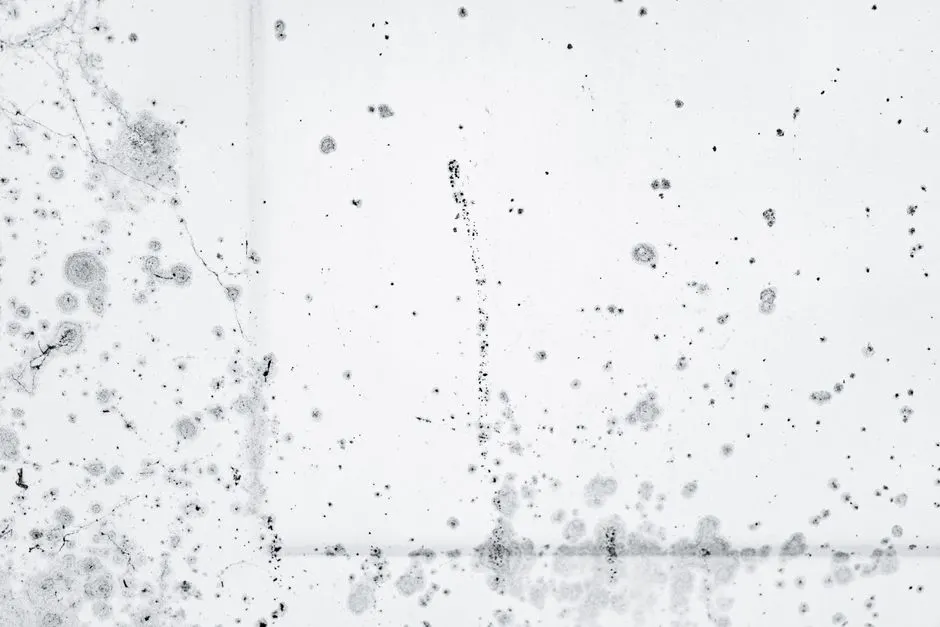
Moisture inspection and mapping
We use a moisture meter, thermal imaging camera, and boroscope to trace where water traveled and how far the mold has spread. You get photos and readings in the written scope, usually the same day.
Every job starts with inspection and a written scope. From there, the standard package covers containment, removal, treatment, drying, and clearance verification. Rebuild work like drywall hanging, painting, and trim is quoted separately so you can see exactly what the remediation costs versus the cosmetic repair.
We use a moisture meter, thermal imaging camera, and boroscope to trace where water traveled and how far the mold has spread. You get photos and readings in the written scope, usually the same day.
Polyethylene sheeting seals the work zone and HEPA-filtered air scrubbers run continuously to capture airborne spores. Negative pressure keeps the rest of the home clean during removal.
Contaminated drywall, baseboard, and insulation come out and get bagged. Framing is wire-brushed, HEPA-vacuumed, and treated with an antimicrobial solution before any rebuild.
Desiccant dehumidifiers and air movers bring moisture content back to regional baseline. We check readings daily and do not pull equipment until they hold steady for 24 hours.
Final moisture readings and a visual inspection confirm the area is clean. You get the documentation in writing for your records, your lender, or your insurance claim.
Mold Remediation in Idaho is the process of stopping active mold growth, removing contaminated material, and drying the structure so spores cannot recolonize. It starts with moisture mapping using a moisture meter, thermal imaging camera, and boroscope to find water hiding behind drywall and baseboard. From there we build containment with polyethylene sheeting, run HEPA-filtered air scrubbers, and apply an antimicrobial solution to framing before any rebuild begins. Removal, not concealment, is the standard.
Idaho homes deal with mold for predictable reasons. Frozen pipe bursts in January, slab leaks under finished floors, crawl space water that never drains, and roof leaks after spring storms all feed the same problem. Our mold cleanup Idaho crews see it most in older housing stock where vapor barrier coverage is patchy and thermal insulation has been wet for weeks. If you are searching for mold removal near me Idaho and the smell hits you at the front door, the growth has been active for a while.
Five steps, no surprises. Here is exactly what happens from the first phone call to the final clearance check on your Idaho property.
Schedule
Call or book online — a real human picks up and confirms a 2-hour arrival window.
Diagnose
Licensed tech inspects on-site, then walks you through the cause and your options.
Fix
The job is completed to code and done right the first time — no shortcuts, no surprises.
Guarantee
Every job backed by a written workmanship warranty — and we stand behind it.
Thermal imaging camera
Reveals temperature differences behind walls that point to hidden moisture, so we know where to cut instead of opening everything up.
Moisture meter and hygrometer
Measures moisture content in framing and drywall, and tracks relative humidity during drying. We log readings daily to confirm progress.
Boroscope
Lets us look inside wall cavities and crawl spaces without demolition, so we can confirm mold growth before committing to removal.
HEPA air scrubbers
Filters airborne spores inside containment. We run them continuously during removal and treatment to keep the rest of the home clean.
Desiccant dehumidifiers
Pulls moisture out of the air in cool, damp spaces like crawl spaces where standard refrigerant dehumidifiers lose efficiency.
Air movers
Directs airflow across wet surfaces to speed evaporation. Placement is mapped to the structure, not scattered randomly around the room.
Polyethylene sheeting
Creates the containment barrier that keeps spores from migrating. We seal seams and entry points so negative pressure actually holds.
IICRC S520 mold remediation standard
The industry standard for assessing and remediating mold. It defines containment requirements, removal procedures, and clearance criteria. Our technicians are trained to this standard and document each phase against it.
Negative air pressure containment
We seal the work zone and pull air through HEPA filtration so the zone stays under negative pressure. Air flows in, not out, which is what keeps spores from spreading to clean rooms.
Antimicrobial treatment and HEPA vacuuming
Framing gets wire-brushed, HEPA-vacuumed, and treated with an antimicrobial solution. This combination removes surface growth and residual spores that vacuuming alone leaves behind.
Post-remediation verification
We confirm moisture content is back to baseline and the work zone is visually clean before calling the job done. Readings are documented and shared with you for your records.
01
What we do: We inspect with a moisture meter and thermal imaging camera to find hidden moisture behind walls and under flooring. If mold is present, we set containment and begin removal the same day.
→ You get a clear answer, a written scope, and a plan. No guessing, no spraying and hoping.
02
What we do: We remove the wet insulation, treat the sheathing, and dry the attic framing with air movers and dehumidifiers. The roof gets tarped or repaired before we close out.
→ Attic is dry, treated, and verified. Insulation is replaced so the mold does not return next storm season.
03
What we do: We do a full inspection, document the extent with photos and moisture readings, and provide a written scope the seller or buyer can use in negotiations.
→ You know exactly what the job costs before you sign. No surprises after closing.
04
What we do: We schedule around tenant availability, set containment, remove affected material, and dry the wall cavity. Documentation goes to you and the tenant so everyone is on the same page.
→ Property is remediated, tenant is satisfied, and you have records for your file.
Idaho's climate creates two distinct mold seasons. Winter brings frozen pipe bursts and ice dam leaks that soak insulation and wall cavities. Spring and early summer bring roof leaks and crawl space flooding from snowmelt and heavy rain. The Treasure Valley sees more slab leaks and foundation seepage because of expansive clay soils, while northern Idaho deals with persistent crawl space humidity that never fully dries out. Older housing stock across the state often has patchy vapor barrier coverage, which means moisture migrates into joists and subfloor. Our crews carry desiccant dehumidifiers and air movers sized for the job, and we follow IICRC S520 containment requirements on every project. If you need emergency mold remediation Idaho wide, we stage equipment in multiple regions so response times stay tight no matter where you are.
North End, Boise
Older homes with original crawl spaces and minimal vapor barrier. We see more joist-level mold here than anywhere else in the valley.
Downtown Eagle
Newer construction with finished basements. Slab leaks and appliance failures are the most common moisture sources we find.
Payette river corridor
High water table and spring flooding push moisture into crawl spaces. Vapor barrier work is almost always part of the job.
Swan Valley
Cold winters and occasional frozen pipe events. Second homes that sit empty are especially vulnerable to undetected leaks.
Freeze-thaw cycles from December through February
Pipes in exterior walls and unheated crawl spaces are at risk. A burst pipe can release hundreds of gallons before anyone notices, which is why we run 24/7 dispatch through the winter.
Spring snowmelt and heavy rain
Crawl spaces and basements flood, and roof leaks soak attic insulation. Mold can start within 48 hours, so drying needs to begin immediately.
Expansive clay soils in the Treasure Valley
Foundation movement opens cracks that let water in during wet months. We see recurring slab leaks and foundation seepage that feed mold growth in finished basements.
Low winter humidity indoors
Heated homes dry out surface moisture but leave wall cavities wet. A moisture meter is the only reliable way to confirm whether framing is actually dry.
Mold is a symptom, not the problem. These are the underlying issues we see most often on Idaho properties, and what happens when they get ignored.
Problem
Joists and subfloor absorb moisture and mold spreads upward into living space. By the time you smell it inside, the crawl space has been active for months.
Our Fix
We pump the water, dry the joists, treat any growth with an antimicrobial solution, and install a proper vapor barrier. That combination keeps the space dry through the wet season instead of just until the next rain.
Problem
Water wicks into drywall paper and insulation without showing on the surface. Mold grows inside the cavity and you only notice when the paint bubbles or the smell starts.
Our Fix
We use a thermal imaging camera and boroscope to find the leak and map the spread. Contaminated drywall comes out, the line gets repaired, and the cavity is dried and rebuilt with mold-resistant drywall.
Problem
Water releases fast and soaks flooring, baseboard, and wall cavities. Mold can start colonizing within 24 to 48 hours if the structure is not dried.
Our Fix
Our emergency crews extract the water, set drying equipment, and assess for mold. If growth has started, containment and removal happen before rebuild, so you are not covering up an active problem.
Problem
Category 3 water carries bacteria and accelerates mold growth. Anything porous that stays wet becomes a health hazard and often has to be removed.
Our Fix
We handle the full cleanup, disinfection, and antimicrobial treatment, then dry the space and verify with a moisture meter. Porous material that cannot be saved comes out inside containment.
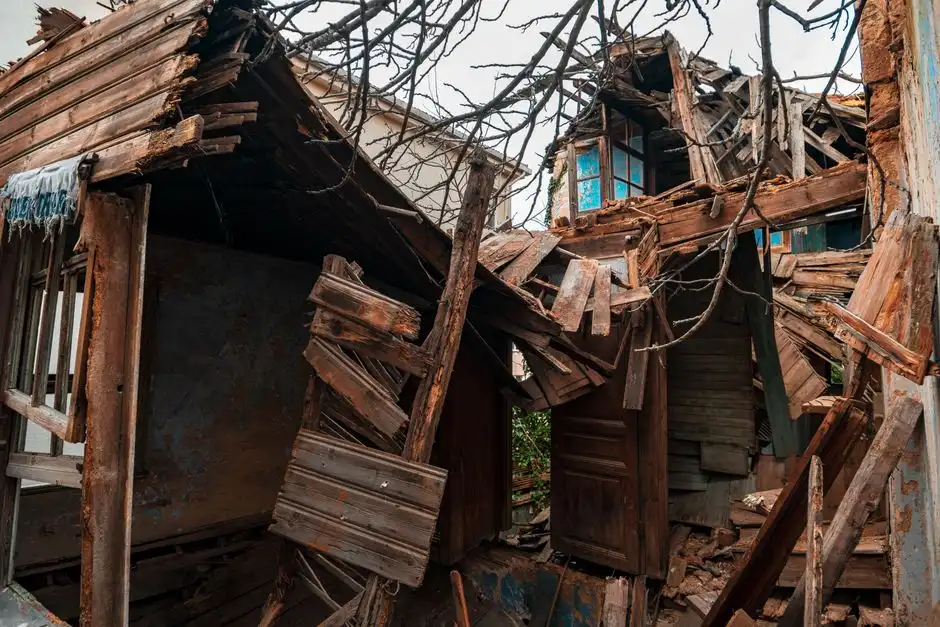
Mold spreads fast and hides well. These are the four outcomes that matter most when you book mold remediation services Idaho property owners actually trust.
Moisture source fixed
Removing mold without fixing the water is wasted money. We trace the source with a hygrometer and infrared thermometer, then repair or refer the plumbing, roof, or drainage issue. A burst pipe, foundation leak, or failed sump pump gets corrected before we close anything up.
Containment that holds
We seal the work zone with polyethylene sheeting and run air scrubber filters so spores do not migrate into clean rooms. Negative air pressure keeps the rest of your house out of the dust path. That is how a single bathroom job stays a single bathroom job.
Documented for insurance
We photograph affected material, log moisture readings, and build the scope in Xactimate so your adjuster sees line items instead of guesses. Most Idaho policies cover sudden water damage that led to mold, and clean documentation is what gets claims approved.
Clearance you can trust
We do not call a job done because the wall looks clean. Post-remediation verification confirms moisture content is back to normal and the air is clear. You get the readings in writing, which matters when you sell the house or renew a lease.
Typical 2026 pricing for mold remediation in Idaho runs $1,200 to $6,500 for most residential jobs, with small contained areas starting around $800 and large crawl space or multi-room projects reaching $10,000 or more. The scope drives the number, not a flat rate. We give you a written price before work starts and bill insurance directly when coverage applies. Affordable mold removal in Idaho means knowing what you are paying for and why.
Typical Investment Range
$800 - $10,000+ depending on scope
You are paying for containment, proper removal, verified drying, and documentation. A cheap spray-and-paint job costs less up front and comes back within a season. Our pricing reflects work that holds up and passes clearance.
What changes the price
Square footage affected
The single biggest driver. A 20 square foot bathroom patch is a different job than a 1,000 square foot crawl space. Removal, containment, and drying all scale with area.
Material type
Porous materials like drywall, insulation, and carpet pad usually have to be removed. Hard surfaces like framing and concrete can often be cleaned and treated, which lowers labor and disposal cost.
Moisture source repair
If a burst pipe, slab leak, or failed sump pump needs repair before remediation, that adds cost. We quote it separately so you can see exactly what the plumbing work costs versus the remediation.
Access and containment complexity
Crawl spaces, attics, and multi-room losses take longer to contain and require more equipment. Tight access slows removal and increases labor hours.
Testing and clearance
Pre-testing identifies the mold species and post-remediation verification confirms the job is complete. Both add a small line item but protect you if the job is ever questioned.
Rebuild scope
Drywall hanging, painting, and trim work are quoted separately from remediation. Some homeowners handle rebuild themselves, which reduces the total cost.
Google ★★★★★4.9
Called at 6 a.m. after a pipe burst overnight. Technician was at the house by 7:30, water was extracted, and containment was up before noon. They explained every step and sent photos to my insurance company the same day.
Yelp ★★★★★4.8
Had mold in the crawl space of a rental in Payette. They gave me a written scope with photos, no pressure, and the price did not change. Vapor barrier work was clean and they walked me through the moisture readings at the end.
BBB ★★★★★4.9
Professional from the first phone call. They found the source of the moisture, fixed the issue, and remediated the mold. Documentation was thorough enough that my adjuster approved the claim without a second visit.
Google ★★★★★5.0
We had a bathroom mold issue that two other companies wanted to just paint over. This crew removed the drywall, treated the framing, and verified with a moisture meter. Six months later, no smell, no return. Worth every dollar.
Our mold removal Idaho crews cover the entire state, from the Treasure Valley to the Snake River Plain and the northern Panhandle. Whether you need mold remediation services in Idaho on a tight timeline or a scheduled crawl space job, we bring the same equipment and the same standard to every address. Here are a few of the communities we serve regularly.
Finished basements and newer construction mean slab leaks and appliance failures are the most common moisture sources. We handle containment and rebuild without disrupting the rest of the home.
High water table and spring flooding push moisture into crawl spaces. We pump, dry, treat, and install vapor barriers that hold through the wet season.
Rural properties often have detached structures and outbuildings with mold issues. We treat the main home and outbuildings on the same visit when the scope allows.
Agricultural properties deal with irrigation-related moisture and older housing stock. We map moisture with thermal imaging before opening walls.
Small-town properties with crawl spaces and older construction. We handle full remediation and rebuild with mold-resistant materials.
Cold winters and second homes that sit empty create frozen pipe risk. We run 24/7 dispatch and respond fast when a pipe lets go.
Remote mountain properties with seasonal access. We schedule around road conditions and bring all equipment in one trip.
Eastern Idaho rural properties with crawl spaces and outbuildings. We handle inspection, removal, and drying in a single mobilization.
Real answers to the questions we hear most often from local homeowners and property managers.
Mold almost always starts as a water problem. We restore the structure and stop the moisture before remediation begins, so the mold does not return the following season.
View Water Damage RestorationStanding water feeds mold within 24 to 48 hours. Our emergency crews pull water fast, which is the single best way to prevent a mold job from ever being needed.
View Emergency Water RemovalWe use water extraction units and wet/dry vacuums to pull water from carpet, pad, and subfloor. Getting it out fast keeps the drying window short and mold risk low.
View Water ExtractionFloodwater carries contaminants that accelerate mold growth. We handle the cleanup, disinfection, and drying, then assess whether remediation is needed on framing and insulation.
View Flood Damage CleanupBasements trap humidity and stay wet after sump pump failures. We remove the water, dry the space, and treat any mold before it spreads into finished living areas.
View Basement Water RemovalCrawl spaces are the most common mold location we see in Idaho. We pump the water, dry the joists, and install a proper vapor barrier to keep the space dry long term.
View Crawl Space Water RemovalCall (855) 343-0501 any hour of the day or night. We answer live, ask the right questions, and dispatch the closest crew to your address. Most Idaho emergency calls get a technician on site within 60 to 90 minutes. If you prefer, send us the details by email and we will call you back within 15 minutes.
Phone
(855) 343-0501Address
Idaho
Hours
Mon–Fri: 7AM – 7PM
Sat: 8AM – 4PM
Sun: Emergency Only
24/7 Emergency Available